
Table of Contents
In today’s world, comfort in your home, office, or commercial space goes beyond aesthetics. One of the most important but often overlooked aspects of comfort is acoustic comfort — the ability to enjoy a quiet, peaceful environment. Whether you live near busy streets, work in bustling offices, or want a serene home interior, acoustic laminated glass can transform your environment.
At Green Glass Designer, we specialize in designing high-quality laminated glass solutions that combine style, safety, and exceptional acoustic performance. This guide will explore what acoustic laminated glass is, how it works, its key benefits, applications, and why it’s an essential investment for modern architecture.
What Is Laminated Glass?
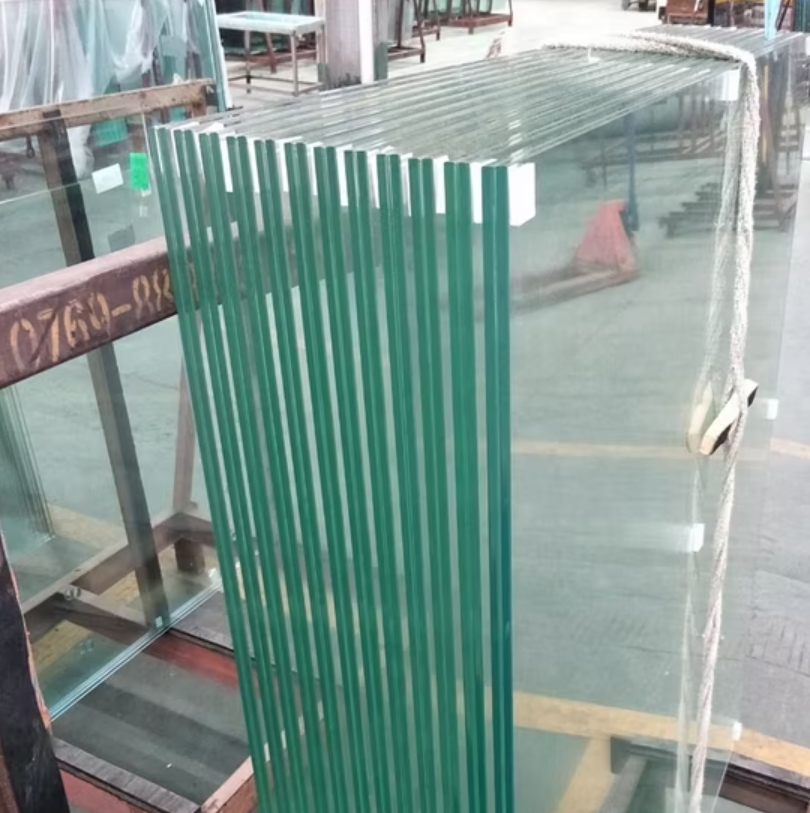
Laminated glass is a type of safety glass composed of two or more panes of glass bonded together with a polymer interlayer, typically made from Polyvinyl Butyral (PVB). This interlayer serves multiple purposes:
- Safety: Holds the glass together if it breaks.
- UV Protection: Reduces harmful UV rays entering the building.
- Noise Reduction: When designed for acoustic purposes, the interlayer significantly reduces sound transmission.
At Green Glass Designer, we use high-quality acoustic interlayers to produce acoustic laminated glass that ensures peace, comfort, and style without compromising on transparency or aesthetics. Essentially, acoustic laminated glass is two or more sheets of glass with a sound-damping layer in between, specifically engineered to reduce noise effectively.
Understanding How Sound Travels Through Glass
Sound moves as vibrations through air and solid objects. Ordinary single-pane glass allows these vibrations to pass through easily, making it a poor barrier against noise. Acoustic laminated glass, on the other hand, alters how sound behaves:
- Reflection: Some sound waves bounce back toward the source.
- Absorption: The interlayer absorbs a portion of the sound energy.
- Damping: Vibrations are dampened, preventing them from passing through the glass.
The combination of these mechanisms allows Green Glass Designer’s acoustic laminated glass to significantly reduce noise levels, creating a quieter indoor environment.
Acoustic Benefits of Laminated Glass
Here are the primary acoustic benefits that make laminated glass a smart choice for homes, offices, and commercial spaces:

1. Superior Noise Reduction
The most notable advantage of acoustic laminated glass is its ability to reduce unwanted noise. The interlayer absorbs sound rather than simply reflecting it, which prevents vibrations from passing through the glass.
This benefit is particularly important in urban areas, near highways, airports, or railway lines, where traffic noise and external disturbances are common. Using Green Glass Designer’s acoustic laminated glass, outdoor sounds are reduced to a comfortable level, allowing for relaxation, concentration, and better sleep.
2. Improved Comfort and Well-Being
Excessive noise is more than a nuisance; it can impact your physical and mental health. Persistent exposure to noise can lead to increased stress, disrupted sleep, and reduced productivity. Acoustic laminated glass helps mitigate these issues by creating a quiet and comfortable indoor environment.
Whether it’s a home office, bedroom, or living space, reducing noise contributes to overall well-being and a higher quality of life.
3. Maintains Transparency and Natural Light
Unlike walls or heavy soundproof materials, acoustic laminated glass allows clear visibility and natural light while controlling noise. This is ideal for spaces that require both openness and tranquility, such as living rooms, offices, meeting rooms, or commercial interiors.
At Green Glass Designer, our acoustic laminated glass is engineered to ensure maximum sound insulation without compromising on clarity or daylight.
4. Enhanced Privacy and Confidentiality
Acoustic laminated glass is perfect for environments where privacy matters. In offices, meeting rooms, healthcare facilities, or even private homes, this type of glass minimizes sound leakage, ensuring that conversations remain confidential.
This makes it ideal for professionals, families, and institutions that prioritize privacy while maintaining an open and modern aesthetic.
5. Safety and Security
While primarily known for noise reduction, laminated glass also provides safety and security benefits. If the glass breaks, the interlayer holds the shards together, reducing the risk of injury. This is especially important in homes, schools, hospitals, and high-rise buildings.
At Green Glass Designer, every acoustic laminated glass panel is designed to meet high safety standards while delivering excellent acoustic performance.
6. UV Protection and Interior Preservation
Many acoustic laminated glass products also block a significant percentage of harmful UV rays. This protects furniture, flooring, art, and fabrics from fading due to sun exposure. By combining UV protection with noise reduction, our acoustic laminated glass offers a multifunctional solution for interior comfort and longevity.
7. Design Flexibility and Aesthetics
Acoustic laminated glass is not only functional but also visually appealing. It can be used in modern facades, office partitions, hotel interiors, or residential spaces without disrupting the design flow. Its transparency and sleek look allow architects and interior designers to create open, light-filled spaces without sacrificing acoustic comfort.
How Acoustic Laminated Glass Works
Acoustic laminated glass uses a sound-dampening interlayer to absorb and dissipate sound energy. Here’s how it works:
- Decoupling Sound Waves: The interlayer interrupts the direct passage of sound vibrations, reducing their energy.
- Damping Vibrations: When sound hits the glass, the interlayer slightly deforms, absorbing vibrations instead of transmitting them.
- Layer Thickness Matters: Thicker interlayers or multiple layers improve sound absorption, providing higher noise reduction ratings.
At Green Glass Designer, we carefully select the thickness and composition of interlayers to optimize acoustic performance for different applications, from homes to commercial buildings.
Applications of Acoustic Laminated Glass
Acoustic laminated glass is versatile and suitable for various settings:
1. Residential Homes
Reduce street noise, traffic sounds, and neighborhood disturbances. Create peaceful bedrooms, home offices, and living areas.
2. Offices
Open-plan offices often suffer from distractions. Acoustic laminated glass partitions help maintain focus and privacy.
3. Hotels
Provide guests with quiet, restful rooms even in busy urban environments.
4. Educational Institutions and Hospitals
Noise reduction is essential in classrooms, libraries, hospitals, and clinics to promote learning and healing.
5. Retail and Commercial Spaces
Acoustic laminated glass maintains a comfortable shopping or working environment, improving customer and employee satisfaction.
Acoustic Laminated Glass vs Traditional Glass
Many assume that thicker glass equals better sound insulation. However, standard glass does not absorb sound efficiently:
- Single or Double-Pane Glass: Minimal noise reduction.
- Double or Triple Glazing: Improves insulation but may not meet high acoustic standards.
- Acoustic Laminated Glass: Uses specialized interlayers to absorb and dampen sound, providing superior noise control without the need for excessive thickness.
At Green Glass Designer, we focus on engineering laminated glass systems that outperform standard options in both acoustic and aesthetic performance.
Real-Life Examples
Urban Residences
High-rise apartments near busy streets benefit from acoustic laminated glass, transforming loud outdoor noise into a quiet indoor environment.
Home Offices
Acoustic glass creates a focused, distraction-free workspace, perfect for remote work or study.
Conference Rooms
Reduces sound transfer between rooms, ensuring confidential meetings remain private.
Healthcare and Educational Spaces
Ensures quiet zones for healing, learning, and concentration, while allowing natural light to pass through.
Considerations When Choosing Acoustic Laminated Glass
When selecting acoustic laminated glass, consider the following:
- Sound Reduction Rating (Rw or STC): Higher ratings provide better noise reduction.
- Glass and Interlayer Thickness: Optimal design improves acoustic performance.
- Installation Quality: Proper frames and seals are critical to prevent sound leaks.
- Aesthetic Requirements: Maintain transparency and natural light while controlling noise.
At Green Glass Designer, we guide clients to choose the best acoustic laminated glass based on noise levels, building type, and design goals, ensuring maximum effectiveness.
Conclusion
Acoustic laminated glass is a game-changing solution for homes, offices, hotels, and commercial buildings. It not only reduces noise significantly but also improves comfort, privacy, safety, and aesthetics.
With expertise in designing high-performance acoustic laminated glass, Green Glass Designer provides solutions that balance functionality and beauty. Investing in acoustic laminated glass means transforming noisy spaces into calm, peaceful, and productive environments.
Whether you are building a quiet home, creating a productive office, or designing a modern commercial space, Green Glass Designer’s acoustic laminated glass offers unmatched acoustic comfort and visual elegance.