Table of Contents
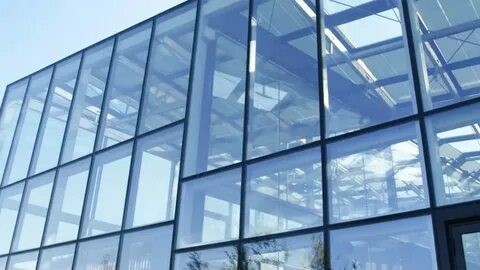
Pakistan is witnessing an architectural renaissance. Rapid urbanization, rising disposable incomes, and ambitious infrastructure projects under CPEC and private developments are reshaping our cities. From the sleek high-rises lining Shahrah-e-Faisal in Karachi to the contemporary corporate towers in Blue Area Islamabad and the luxurious residential enclaves of DHA Lahore, modern Pakistani architecture increasingly embraces minimalism, transparency, and seamless integration with the environment. At the heart of this transformation lies frameless architecture, and leading the charge is the innovative point glass system—also known as point-fixed glazing, spider glazing, or point-supported structural glass.
At Green Glass Designer, we are at the forefront of this revolution. With more than 15 years of specialized experience, PEC registration, ISO 9001:2015 certification, and a dedicated team of engineers and installers, we deliver world-class point glass systems, spider fittings, glass curtain walls, canopies, skylights, and custom frameless solutions across Pakistan. Serving major cities including Lahore, Karachi, Islamabad, Rawalpindi, Faisalabad, Multan, and beyond, we partner with architects, builders, developers, and homeowners to turn visionary designs into durable, breathtaking reality. Our commitment to precision engineering, premium materials, and timely execution has made us the trusted name for frameless glass installations.
In this in-depth guide, we will demystify point glass systems: what they are, how they function, their numerous advantages in Pakistan’s unique climate and seismic context, emerging global and local trends, practical applications, installation insights, cost considerations, and maintenance tips. Whether you are an architect designing a landmark commercial project, a developer planning a modern retail mall, or a homeowner dreaming of a stunning glass façade for your villa, this article will equip you with everything you need to know about the future of frameless architecture in Pakistan.
Understanding Point Glass Systems: The Core Concept
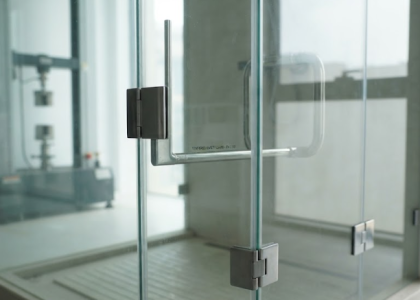
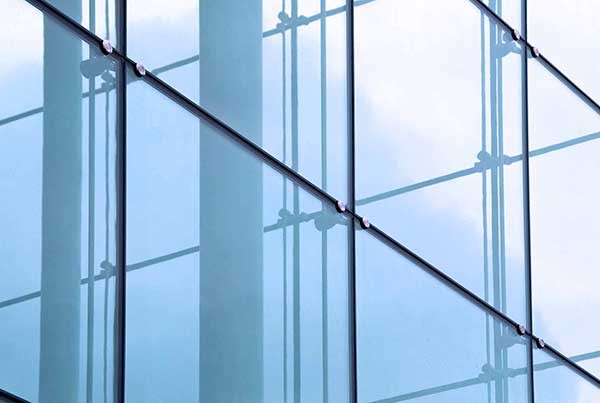
Point glass systems represent a paradigm shift from traditional framed glazing. In conventional curtain walls or windows, glass panels are held in place by continuous aluminum or steel mullions and transoms that create visible grid lines. Point-fixed systems eliminate these bulky frames entirely. Instead, large glass panels are secured at discrete points—usually the four corners or along edges—using stainless steel fittings known as spider fittings due to their arm-like appearance.
These spider fittings connect to a hidden structural backbone, which could be:
- Steel trusses or columns
- Tensioned stainless steel cables
- Vertical glass fins (for maximum transparency)
- Hybrid combinations
The glass itself is specially processed—typically tempered, heat-strengthened, or laminated—and precisely drilled to accept articulated bolts (rotules) that allow controlled movement. This flexibility is essential for accommodating thermal expansion, wind pressure, and minor seismic activity prevalent in Pakistan.
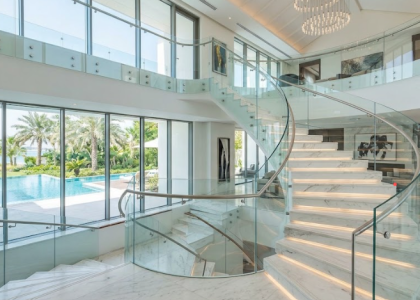
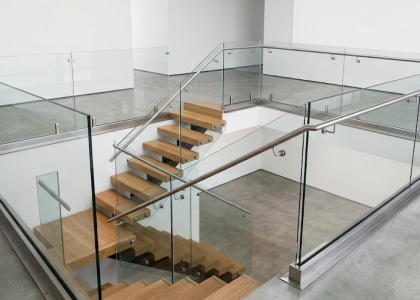
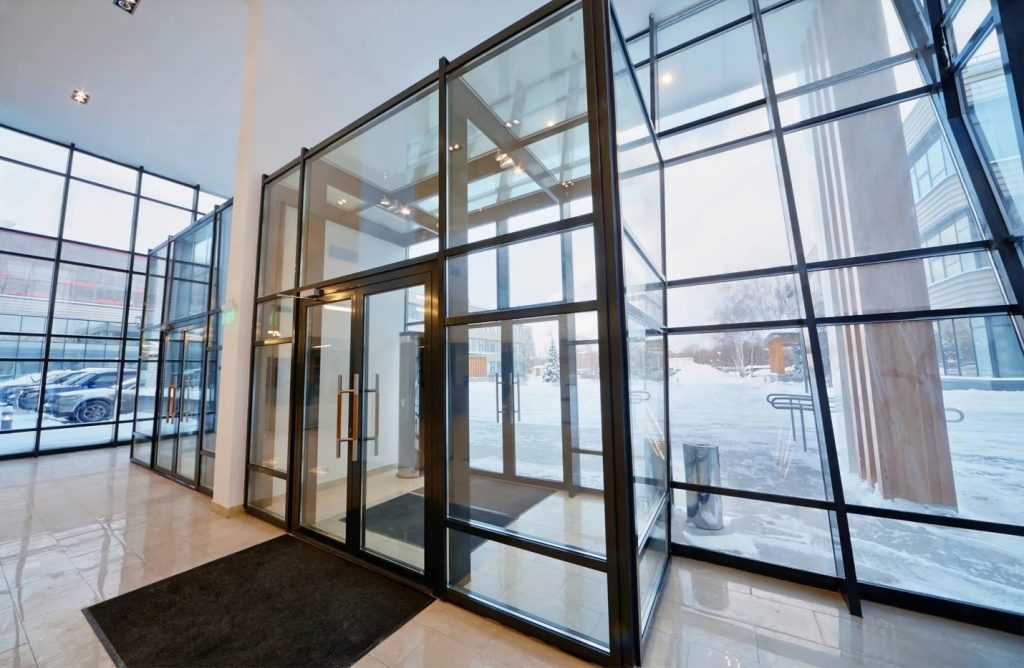
The result? A virtually invisible support system that delivers an uninterrupted expanse of glass, flooding interiors with natural light and offering panoramic views. Point glass systems can be applied to facades, canopies, atriums, skylights, balustrades, partitions, and even entire structural walls.
Green Glass Designer excels in customizing these systems using high-grade 316 stainless steel fittings and Low-E, reflective, or tinted glass to suit Pakistan’s intense sunlight and temperature extremes.
How Point Glass Systems Work: Engineering Explained
The elegance of point glass systems belies sophisticated structural engineering. Each installation begins with detailed load calculations considering dead loads (glass weight), live loads (wind, snow), and seismic forces as per Pakistan Building Code (Seismic Provisions 2007).
Key components include:
- Glass Panels: Usually 12–19 mm thick tempered or laminated glass. Holes are CNC-drilled with extreme precision to avoid stress concentrations.
- Rotules/Articulated Bolts: These connect glass to spider arms and permit rotation, preventing cracking from movement.
- Spider Fittings: 1-arm, 2-arm, or 4-arm configurations in polished or satin finish.
- Backing Structure: Hidden steel framework, cable nets, or glass fins anchored to the building’s primary structure.
- Silicone Seals: Structural silicone between panels ensures weatherproofing without visible gaskets.
Installation sequence typically follows:
- Structural anchoring and sub-frame erection
- Precise leveling and alignment
- Glass panel hoisting using suction lifters or cranes
- Fixing rotules and spiders
- Applying structural silicone
- Final testing for deflection and water tightness
Double or triple glazing with argon gas filling enhances thermal and acoustic insulation—critical in noisy urban centers like Lahore and Karachi. Green Glass Designer uses advanced 3D modeling and finite element analysis to guarantee safety and performance.
Key Advantages of Point Glass Systems in Pakistan
Point glass systems offer compelling benefits perfectly aligned with Pakistan’s architectural and environmental realities:
- Aesthetic Superiority: The frameless look creates iconic, futuristic buildings that stand out in competitive real estate markets. Luxury projects in DHA, Bahria Town, and Clifton command premium pricing thanks to this visual appeal.
- Abundant Natural Daylight: Maximizes illumination, reducing dependence on artificial lighting and cutting electricity costs amid frequent load-shedding and high tariffs.
- Superior Energy Efficiency: Low-E coatings reflect heat, significantly lowering cooling loads in Pakistan’s hot climate (up to 40–50°C in summers). This supports green building aspirations and LEED certification.
- Enhanced Views and Spatial Perception: Unobstructed sightlines make interiors feel larger and more connected to outdoors—ideal for hotels, offices, and residences.
- Durability and Safety: Tempered/laminated glass is impact-resistant and, if broken, crumbles safely or remains intact. Stainless steel components resist corrosion in humid coastal areas.
- Design Flexibility: Supports flat, curved, inclined, or overhanging configurations—enabling dramatic canopies and skylights.
- Low Maintenance: Smooth surfaces are easy to clean; no frame crevices trap dust common in Pakistani cities.
Compared to traditional framed systems, point glass offers 20–30% more transparent area while maintaining structural integrity.
Emerging Trends Shaping the Future
The global structural glass market is projected to grow rapidly, and Pakistan is catching up fast. Key trends influencing our local industry include:
- Smart Glass Integration: Electrochromic or PDLC switchable glass for instant privacy or solar control.
- Sustainable Practices: Use of recycled glass, low-carbon fabrication, and solar-reflective coatings.
- Larger Panel Sizes: Advances allow panels up to 3m × 6m, reducing fittings and enhancing minimalism.
- Cable-Net and Tension Structures: Ultra-lightweight facades for high-rises.
- BIM and Digital Fabrication: 3D modeling and robotic drilling for precision.
- Seismic-Resilient Designs: Enhanced rotules and dampers tailored for Pakistan’s zone 2B–3 seismic risk.
In Pakistan, we expect wider adoption in upcoming mixed-use developments, hospitality projects, and government buildings aiming for contemporary identity.
Real-World Applications Across Pakistan
Point glass systems are already transforming projects nationwide:
- Corporate Headquarters: Transparent facades in Islamabad’s I-8 and Karachi’s Shahrah-e-Faisal for prestigious branding.
- Shopping Malls & Retail: Inviting entrances and atriums in Lahore’s Emporium Mall-inspired projects and Karachi’s Dolmen developments.
- Hotels & Resorts: Dramatic lobbies and poolside canopies in 5-star properties.
- Luxury Residences: Glass balustrades, entrance canopies, and feature walls in DHA Phase 8, Bahria Town, and Gulberg villas.
- Public & Institutional: Modern university buildings, airports, and cultural centers.
Green Glass Designer has successfully delivered numerous such projects, earning client trust through quality and reliability.
Installation Best Practices and Considerations
Successful implementation demands expertise:
- Engage specialists early in design phase.
- Conduct thorough structural audits.
- Use only certified materials and skilled rigging teams.
- Plan for safe access and weather contingencies.
- Budget 15–25% higher than framed systems, offset by long-term savings.
Common challenges like thermal bridging or condensation are mitigated through proper detailing and insulation.
Cost Factors and Return on Investment
Initial costs vary based on glass type, fittings, and design complexity. However, the return on investment remains strong through long-term benefits:
- Energy savings (20–40% reduction in cooling)
- Increased property value
- Lower maintenance
- Enhanced tenant satisfaction
Financing options and government incentives for green buildings further improve viability.
Maintenance and Longevity
With proper care, point glass systems last 25–40 years:
- Annual professional inspection of fittings and seals
- Regular cleaning with non-abrasive solutions
- Prompt silicone reapplication if needed
- Avoid impact near fixing points
Green Glass Designer offers comprehensive AMC packages for worry-free ownership.
Frequently Asked Questions
Q: Are point glass systems earthquake-resistant in Pakistan?
A: Yes—articulated joints and toughened glass absorb movements effectively.
Q: Can they withstand extreme heat and dust?
A: Absolutely, with appropriate coatings and sealed joints.
Q: Are they suitable for residential projects?
A: Highly recommended for modern homes seeking luxury and light.
Q: How long does installation take?
A: 4–12 weeks depending on scale, with minimal disruption.
Q: Do you provide nationwide service?
A: Yes—Green Glass Designer operates across Pakistan with local teams.
Conclusion
Point glass systems are not just a trend—they are the future of Pakistani architecture. They embody transparency, sustainability, innovation, and aesthetic excellence, perfectly suited to our nation’s aspirations for modern, world-class built environments.
At Green Glass Designer, we are passionate about bringing this future to life. From concept consultation and detailed design to flawless execution and after-sales support, we are your trusted partner for frameless glass excellence. Contact us today and let us help you create architectural masterpieces that inspire for generations.