Table of Contents
A homeowner planning a skylight, an architect specifying a balcony balustrade, and a commercial developer pricing out a storefront across town are all going to ask their glass supplier some version of the same question this year what does laminated glass actually cost, and why does one quote come in so much higher than another for what looks, on paper, like the same product. It’s a fair question, and it’s also one of the harder ones to answer honestly, because laminated glass pricing in Pakistan genuinely does vary by a meaningful margin depending on thickness, interlayer type, panel size, supplier, and the city the project is in. Anyone promising you a single, precise number before understanding your specific project is either guessing or selling.
This guide exists to give you something more useful than a guess a clear, honest breakdown of what actually drives laminated glass cost in Pakistan, what a realistic price range looks like across common specifications, and how to evaluate a quote so you understand exactly what you’re paying for and why two suppliers can quote meaningfully different numbers for what looks, at a glance, like the same job. If you’re at the stage of comparing quotes or trying to budget a project realistically before requesting them, this is written for exactly that moment.
What Laminated Glass Actually Is, and Why That Affects the Price
Laminated glass is made by bonding two or more layers of glass together with an interlayer, most commonly polyvinyl butyral, known as PVB, sandwiched between the glass sheets under heat and pressure. That interlayer is the entire reason laminated glass costs more than standard float glass or even tempered glass of the same thickness it’s not just adding a second sheet of glass, it’s adding a manufacturing process, a specialized material, and, in most cases, an extra layer of quality control that a single sheet of float or tempered glass simply doesn’t require.
The practical benefit of that extra process is what buyers are actually paying for. If laminated glass breaks, the interlayer holds the shattered pieces together rather than letting them fall away in dangerous shards, which is why laminated glass is specified so widely for skylights, overhead glazing, balustrades, storefronts, and any application where safety in the event of breakage genuinely matters. It also offers meaningful sound dampening benefits compared to an equivalent thickness of standard glass, and, depending on the specific interlayer specified, can provide UV filtering that helps protect interior furnishings from sun damage over time.
Understanding that the interlayer and manufacturing process, not just the glass itself, are what’s being priced is the first step to reading any laminated glass quote intelligently, because it’s exactly where price differences between suppliers most often originate.
Worth Noting
Every price figure in this guide reflects general market ranges based on publicly available pricing information and typical industry patterns in Pakistan as of 2026. Actual pricing varies by supplier, city, current raw material costs, and project specifics, and should always be confirmed through a direct quote for your exact specification rather than treated as a fixed rate. Glass and interlayer material costs are also genuinely sensitive to currency fluctuation and import conditions, which means prices can shift meaningfully over a relatively short period.
What Actually Drives the Price: The Real Cost Factors
Thickness and Panel Buildup
Laminated glass is typically described by its total buildup, for example, a 6.38mm laminate might combine two 3mm glass sheets with a 0.38mm PVB interlayer, while a heavier-duty application might specify two 6mm sheets with a thicker interlayer for additional strength. As a general pattern across the market, thicker glass and heavier overall buildups cost more, both because more raw glass material is used and because thicker laminates often require more careful handling and processing during manufacture. For most residential applications, thinner laminate buildups in the 6mm to 8mm total range are common, while structural or higher-load applications, such as glass flooring, overhead glazing, or larger balustrade panels, typically call for significantly thicker buildups that carry a correspondingly higher price.
Interlayer Type and Quality
Standard PVB interlayer is the most common and generally most cost-effective option for the large majority of residential and light commercial applications. Higher-performance interlayers, including those engineered for enhanced acoustic performance, stronger structural interlayers like SentryGlas for demanding structural applications, or interlayers with specific UV or solar control properties, cost meaningfully more than standard PVB, and that added cost should be weighed against whether the specific project genuinely needs that enhanced performance or whether standard PVB adequately serves the application.
Panel Size and Cutting Complexity
Larger panels generally cost more per square foot than smaller standard panels, both because larger sheets of raw glass cost more and because handling, transport, and installation risk increase with panel size. Custom shapes, curves, or complex cutting patterns add further cost beyond a simple rectangular panel, since they typically require more skilled fabrication and generate more material waste during cutting.
Tinting, Coating, and Finish Options
Clear laminated glass is the baseline cost option. Tinted glass, reflective coatings, frosted or etched finishes, and low-emissivity coatings for improved thermal performance all add cost on top of the base laminated glass price, with the specific premium depending on the coating or finish type and the supplier’s process for applying it.
Import Content and Currency Exposure
A meaningful portion of the glass and interlayer material used in Pakistan’s architectural glass market is either imported directly or manufactured using imported raw materials and machinery, which means pricing across the industry carries real sensitivity to currency exchange rates and import costs. This is worth understanding as a buyer specifically because it means laminated glass pricing can shift over a relatively short period due to factors entirely outside any individual supplier’s control, which is part of why a quote’s validity period matters and why pricing from even a few months ago shouldn’t be assumed to still be accurate.
Supplier Overhead, Fabrication Quality, and Installation
Beyond the raw material cost, quotes differ based on a supplier’s fabrication quality control, equipment, installation expertise, and the warranty or after-sales support included with the quote. A lower quoted price that doesn’t include proper installation, or that reflects lower quality control standards during lamination, can end up costing more in the long run through premature delamination, edge issues, or the need for costly rework, which is exactly why price comparison should always account for what’s actually included in each quote, not just the headline number per square foot.
Order Volume and Project Scale
Larger orders, whether that’s a single large commercial project or a homeowner ordering glass for multiple openings at once, often benefit from better per-unit pricing than a single small panel ordered on its own, since suppliers can plan fabrication runs more efficiently and spread certain fixed costs, cutting setup, batch scheduling, across a larger volume. This is worth raising directly with a supplier if a project involves multiple panels or phases, since consolidating an order, where practical, can meaningfully affect the total quoted price compared to ordering the same total glass area across several smaller, separate purchases.
Edge Finishing and Hardware Integration
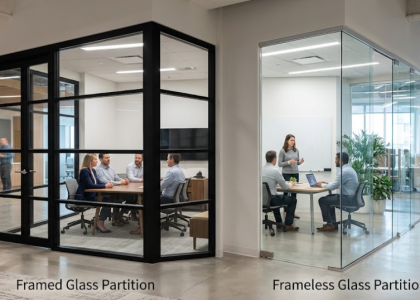
Polished edges, beveled edges, or drilled holes for hardware such as standoffs, hinges, or point-fixing systems all add fabrication cost beyond a simple cut panel with standard edges. For applications like frameless partitions, point-fixed glazing, or glass doors requiring precise hardware cutouts, this edge and hardware fabrication work can represent a genuinely significant portion of the total quoted price, and it’s worth asking a supplier to break this out separately from the base glass and lamination cost so you understand exactly what’s driving that portion of the number.
Typical Price Ranges: What to Expect Across Common Specifications
The ranges below reflect general market patterns for laminated glass in Pakistan based on publicly available pricing information as of 2026. These are meant to help you budget realistically and evaluate whether a quote you’ve received falls within a reasonable market range, not to serve as a fixed price list. Actual pricing for your specific project should always come from a direct quote based on your exact thickness, interlayer, finish, and volume requirements.
| Laminated Glass Type | Typical Application | General Market Price Range (Per Sq. Ft., PKR) |
|---|---|---|
| Standard clear laminated, thinner buildup (approx. 6mm) | Interior partitions, standard windows, light residential use | Lower end of the market |
| Standard clear laminated, mid buildup (approx. 8–10mm) | Balustrades, storefronts, general commercial glazing | Moderate, above thinner buildups |
| Heavier structural laminated (12mm and above) | Glass flooring, overhead glazing, structural applications | Higher end, reflecting added material and handling |
| Tinted or coated laminated glass | Solar control, privacy applications, aesthetic feature glass | Moderate premium above equivalent clear laminated |
| Acoustic-rated laminated interlayer | Sound-sensitive applications, urban or high-traffic locations | Premium above standard PVB laminated |
| Structural interlayer (e.g., SentryGlas-type) | High-load structural glazing, safety-critical applications | Highest premium tier |
The general pattern worth internalizing from this table is directional, not absolute cost rises with thickness, with interlayer performance, and with any additional coating or finish, in a fairly predictable order across the market. A quote that inverts this pattern significantly, for instance, a thin standard laminate priced close to a heavier structural specification, is worth asking a direct question about, since it may indicate a misunderstanding of the specification, or in some cases, a supplier quoting a lower-quality interlayer than what was actually requested.
Why Two Quotes for “The Same” Laminated Glass Can Look So Different
This is one of the most common sources of confusion for buyers comparing supplier quotes, and it’s worth addressing directly rather than leaving buyers to guess at the reason.
The interlayer type may not actually be identical, even if both quotes say “laminated.” A supplier quoting a lower price may be specifying standard PVB where another supplier assumed a higher-performance interlayer was required, or vice versa. Always confirm the exact interlayer type and thickness in writing, not just the word “laminated,” before comparing two quotes as equivalent.
Glass thickness and total buildup can vary even within the same nominal product category. A 6mm laminate and an 8mm laminate are genuinely different products with different cost bases, and a quote that doesn’t specify the exact buildup clearly should prompt a follow-up question before any price comparison is made.
Installation, warranty, and after-sales support are not always included at the same level across quotes. A lower headline price that excludes professional installation, or that comes with a shorter or less comprehensive warranty, isn’t actually a lower total cost once those differences are accounted for honestly.
Fabrication quality and process control genuinely differ between suppliers, even when the raw materials are nominally the same. Proper lamination requires precise heat and pressure control during manufacture, and inconsistent process control can produce glass that looks acceptable initially but is more prone to delamination or edge issues over time, a risk that doesn’t show up in a quoted price but absolutely shows up in long-term cost.
A Question Worth Asking Every Supplier
Before comparing any two quotes directly, ask each supplier to confirm the exact glass thickness, interlayer type and thickness, and whether the quoted price includes installation and warranty coverage, in writing. This single clarifying question resolves the large majority of confusion buyers experience when trying to compare laminated glass quotes that appear, on the surface, to be for the same product.
Budgeting for a Laminated Glass Project: A Practical Approach
Start with the application, not the budget. Determine what your specific project actually requires, structural load considerations, safety requirements, acoustic needs, and let that specification drive the glass type and interlayer selection. Starting from a target budget and working backward into whatever specification fits it risks under-specifying a genuinely structural or safety-critical application to hit a price point.
Get quotes from multiple suppliers using an identical written specification. Rather than describing your project verbally and letting each supplier interpret the requirements independently, provide a written specification, thickness, interlayer type, panel dimensions, finish, so that every quote you receive is genuinely comparable rather than reflecting each supplier’s own assumptions about what you need.
Factor in installation and long-term maintenance, not just the material cost. As covered in more detail in our broader guides on architectural glass systems, installation quality significantly affects both the immediate result and the long-term performance of any glazing project, and a lower material quote that doesn’t account for proper installation is rarely the better total-cost option.
Ask about lead time and how it might affect pricing. Custom sizes, specific interlayer types, or larger volume orders can carry different lead times, and in a market with real currency and import sensitivity, a longer lead time can mean pricing confirmed today isn’t necessarily locked in for a project starting months from now. Clarify with your supplier how pricing is protected, or not, across the project’s actual timeline.
Build in a reasonable contingency for specification changes. Architectural and construction projects frequently see design refinements between initial planning and final glazing order, and a project budget that doesn’t allow any flexibility for a specification adjustment, a slightly larger panel, a coating addition, a thicker buildup for a revised structural requirement, is more likely to face difficult trade-offs later in the project.
Applying This Guide to Different Project Types
Residential skylights and overhead glazing. These applications require laminated glass for safety in the event of breakage, and the specific thickness and interlayer needed should be determined by the span and structural engineering requirements of the specific installation, not selected purely on budget, given the genuine safety stakes of overhead glazing.
Balustrades and railings. Structural laminated glass for balustrades needs to meet specific load-bearing requirements depending on the application and local building code, and this is an area where under-specifying to save cost carries real safety implications that should be discussed directly and explicitly with a qualified supplier.
Storefronts and commercial glazing. These applications often balance safety, security, and aesthetic considerations together, and the pricing conversation here frequently includes weighing standard laminated glass against enhanced security or acoustic interlayer options depending on the specific commercial context and location.
Interior partitions and office glazing. These applications generally have lower structural demands than exterior or overhead glazing, which often makes a thinner, more cost-efficient laminate buildup entirely appropriate, provided the interior application’s safety and acoustic requirements are still genuinely met.
High-rise and structural facade applications. These projects typically require the more demanding end of the laminated glass specification range, structural interlayers, thicker buildups, and rigorous quality control, given the genuine engineering stakes of glazing at height, and budgeting should reflect that reality from the earliest planning stages rather than being finalized against a lower general market estimate.
Frequently Asked Questions
1. Why is laminated glass more expensive than tempered glass of the same thickness?
Laminated glass involves an additional manufacturing step, bonding an interlayer, typically PVB, between glass sheets under heat and pressure, which adds both material and process cost beyond what tempered glass requires. In exchange, laminated glass offers the added safety benefit of holding together when broken, rather than shattering into separate pieces the way tempered glass does.
2. Does the price of laminated glass in Pakistan change frequently?
Yes, meaningfully. A significant portion of the raw materials and equipment used in laminated glass manufacturing involves imported content, which means pricing is genuinely sensitive to currency exchange rates and import costs, and can shift over a relatively short period. This is exactly why a specific quote’s validity period matters and why older pricing information shouldn’t be assumed accurate for a current project.
3. Is it worth paying more for a higher-performance interlayer like SentryGlas over standard PVB?
It depends entirely on the application. For genuinely structural or safety-critical applications, glass flooring, high-load balustrades, certain overhead glazing scenarios, the added structural performance of a premium interlayer can be genuinely warranted. For standard residential or light commercial applications without those specific structural demands, standard PVB is generally adequate and considerably more cost-effective.
4. How can I tell if a quoted laminated glass price is unreasonably low?
An unusually low quote relative to the general market ranges in this guide is worth investigating directly, since it may reflect a thinner buildup or lower-quality interlayer than what you actually specified, a lack of proper installation or warranty coverage, or in some cases, inconsistent manufacturing quality control that isn’t reflected in the price but will likely show up in the glass’s long-term performance.
5. Does laminated glass pricing vary significantly between cities in Pakistan?
Yes, transport costs, local supplier competition, and regional market conditions can all contribute to some price variation between major cities, though the underlying cost drivers, thickness, interlayer type, panel size, remain consistent nationally. Getting a direct quote from suppliers serving your specific city and project location is the most reliable way to understand accurate local pricing.
6. Should I request a fixed-price quote or expect pricing to be confirmed closer to my project’s actual start date?
For projects with a longer lead time between quoting and actual installation, it’s worth asking your supplier directly how they handle pricing across that gap, given genuine currency and import cost sensitivity in this market. Some suppliers may offer a fixed-price commitment for a defined period, while others may need to confirm final pricing closer to the order date, and understanding which applies to your project avoids an unwelcome surprise later.
Getting an Accurate Quote for Your Specific Project
Every price range in this guide is meant to help you budget realistically and evaluate quotes intelligently, not to replace an actual quote based on your specific project’s thickness, interlayer, panel size, and finish requirements. Laminated glass pricing genuinely does vary enough, by application, specification, and current market conditions, that the only truly reliable number is the one built around your actual project, not a general guide.
If you’re planning a project that involves laminated glass, whether it’s a residential skylight, a commercial storefront, or a structural facade application, the most useful next step is a direct conversation with a supplier who can walk through your specific requirements and provide a written specification and quote you can genuinely compare against alternatives.
Schedule for a Free Consultation or Get an Instant Quote via WhatsApp to get accurate, current pricing for your specific laminated glass project.