Table of Contents
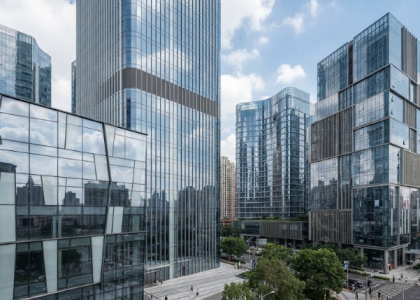
For a long time, glass in buildings was judged mainly by how it looked. A glass façade meant ambition, a glass partition meant a modern office, and a large window meant a view. Sustainability was a separate conversation, and often glass was on the wrong side of it. Critics pointed to heat gain, glare and cooling bills, and in older buildings they were often right.
That picture has changed. Today, glass is one of the most actively developed materials in the building industry. It can be layered, coated, laminated, printed and sealed to control heat, light, sound and safety, and it can do these jobs while staying recyclable and long-lasting. Architects now talk about glass less as a surface and more as a performance layer, the part of the building that decides how much daylight comes in, how much heat stays out and how comfortable people feel inside. This guide is written for people at the beginning of that journey: homeowners planning a new build, business owners thinking about an office or showroom, students, designers and anyone curious about where building design is heading. We will not talk about prices or push a product. Instead, we will explain what architectural glass is, why it matters for sustainable design, where the myths come from and what the future looks like, with a particular focus on Pakistan’s climate and construction needs.What Is Architectural Glass?
Architectural glass is glass engineered for use in buildings, as distinct from everyday glass used in bottles or tableware. It is made to meet requirements for strength, safety, clarity, thermal performance and durability. You will find it in façades, windows, doors, skylights, partitions, balustrades, canopies, shopfronts and interior features. It is not one product but a family of them. The most common types include:- Float glass. The clear, flat base material from which most other types are made.
- Tempered glass. Heat-treated for several times the strength of ordinary glass, and designed to break into small, blunt pieces rather than sharp shards.
- Laminated glass. Two or more layers bonded with an interlayer, so the panel holds together if it cracks.
- Double-glazed (insulated) glass. Two panes separated by a sealed gap, which slows heat transfer.
- Coated and low-E glass. Glass with a microscopically thin coating that reflects heat while letting daylight through.
- Frit and printed glass. Glass with a ceramic pattern fired onto the surface to reduce glare and solar heat.
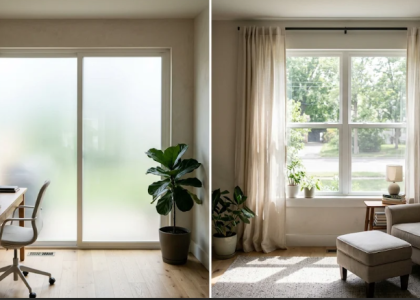
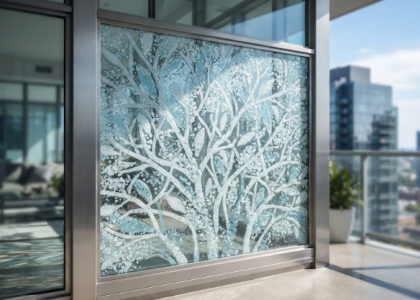
- Decorative glass. Frosted, stained, textured, beveled and mirrored glass used for interior character.
Why Buildings Became a Sustainability Problem
Before asking why glass is part of the answer, it helps to understand the problem it is trying to solve. Globally, buildings are among the largest consumers of energy. According to the United Nations Environment Programme’s global status reports, the building and construction sector accounts for more than a third of the world’s energy demand and a similar share of energy-related carbon emissions. A large part of that comes from heating, cooling and lighting, and a large part of it is spent making up for poor building envelopes. The building envelope is the outer shell of a building: walls, roof, windows, doors and façade. It is the barrier between the controlled indoor environment and the unpredictable outdoor one. When the envelope is weak, air conditioners work harder, lights stay on during the day and energy is wasted every hour of every day, for the entire life of the building. This is why sustainable design starts with the envelope. Before adding solar panels or efficient appliances, designers ask a simpler question: how little energy does this building need in the first place? Glass sits at the centre of that question because windows and façades are where a building is most exposed to the sun, the heat and the cold. There are two reasons glass is especially important.- It is the most variable part of the envelope. A solid wall behaves in one fixed way. Glass can be chosen, coated and combined to behave in dozens of ways.
- It controls light. Daylight is free, comfortable and healthy, but only if it can be admitted without bringing unwanted heat with it. Modern glass is designed to do exactly that.
Worth Noting: Sustainable design is not about using less glass or more glass. It is about using the right glass in the right place, facing the right direction, with the right specification.
Seven Ways Glass Supports Sustainable Design
1. It brings in natural daylight
The most obvious benefit of glass is also one of the most valuable. Natural light reduces the need for electric lighting during the day, and lighting is a real part of a commercial building’s energy use. Well-placed glazing, including large windows, glass partitions that share light between rooms, skylights and glass ceilings, lets daylight travel deeper into a building. A glass partition in an office is a simple example. A solid wall between two rooms blocks light, so the inner room needs lamps on all day. A glass partition lets daylight from the window room reach the room behind it, so fewer lights are needed. The same idea works in homes with glass doors, internal glass panels and staircase glass railings that keep sightlines and light open instead of boxing them in.2. It improves thermal insulation
A single sheet of glass is a poor insulator, which is where glass earned its bad reputation. Modern insulated glazing changes this. By sealing two panes with a gap between them, double glazing slows the movement of heat in both directions. In hot weather it helps keep indoor heat from outside; in cold weather it helps keep warmth from escaping. The gap can be filled with air or an inert gas, and the edge spacer and seals are designed to stay tight for years. The result is a window that behaves far more like part of the wall than a hole in it. For a building that is air-conditioned for much of the year, that difference shows up in how hard the cooling system must work. You can read more about this on our page for double glazed glass.3. It controls solar heat without losing light
In a hot climate, the problem is rarely light. It is the heat that arrives with it. This is where coatings come in. Low-emissivity (low-E) coatings are thin, transparent layers that reflect a large share of infrared heat while allowing visible light to pass. Tinted and reflective glass reduces glare and solar gain, and ceramic frit glass uses printed patterns to cut the intensity of direct sun on façades. The designer chooses the balance: clearer glass for more light, or more controlled glass for more shading. Facing direction matters too. A west-facing façade in the afternoon needs far more solar control than a north-facing one. Our overview of ceramic frit glass shows how patterned glass can handle this on large façades.4. It is recyclable and long-lasting
Glass is made mostly from sand, soda ash and limestone, and it can be melted and reformed again and again without losing its basic quality. In principle, a glass panel at the end of its life can become the raw material for a new one. In practice, how much is recycled depends on local collection and processing, and flat architectural glass is often harder to collect than bottles, but the material itself is well suited to a circular approach. Durability matters just as much as recyclability. A well-made glass façade or partition can serve for decades. A product that lasts longer needs replacing less often, and that means fewer resources spent over the life of the building. Sustainability is not only about what a material is made of. It is also about how long it works before anyone needs to touch it.5. It supports health and wellbeing
Sustainable design is about people as well as energy. Access to daylight and outdoor views is widely linked to better mood, comfort and alertness in the places where we work and live. Glass gives that access without exposing people to weather, noise or dust. In offices, glass partitions can create separate rooms while keeping the space open and bright. In homes, large glazed openings connect interiors to gardens, terraces and sky. Sound is part of this too. Laminated and insulated glass can reduce street noise considerably compared with a single pane, which matters in busy cities where windows often have to stay shut. A quieter, brighter room is one people actually want to spend time in, and a building that people enjoy is a building that is more likely to be cared for and kept in use.6. It enables safer, lighter and smarter structures
Modern glass is no longer the fragile material many people picture. Tempered glass is considerably stronger than ordinary glass. Laminated glass holds together when cracked, which is why it is used in railings, overhead glazing and façades. Structural glass systems, such as point-fixed glass façades, use minimal metal fittings, so light passes through with little obstruction. Less visible structure often means less material. Slim fittings, large panels and clever fixing methods allow designers to create open, light-filled spaces without heavy framing. Combined with careful engineering, this keeps the building both safe and efficient in how it uses materials.7. It is becoming active, not just passive
The most exciting part of the story is that glass is beginning to do things. Smart (electrochromic) glass can change its tint on demand or automatically. Building-integrated photovoltaics (BIPV) place solar cells inside glass so that a façade or skylight can generate electricity. Self-cleaning coatings use sunlight and rain to reduce the need for washing. Switchable privacy glass lets a panel go from clear to frosted at the touch of a button. Not all of these are common yet, and some are still developing, but they point in a clear direction. The façade of the future is not simply a barrier. It is a responsive skin that manages light, heat, privacy and even energy.Glass Types and Their Sustainability Role
The table below summarises how common types of architectural glass contribute to sustainable design. It is a general guide to roles, not a technical specification.| Glass type | What it does | Sustainability benefit | Typical use |
|---|---|---|---|
| Clear float glass | Maximum light transmission | Daylighting, reduced lamp use | Interior partitions, windows |
| Double-glazed (insulated) glass | Sealed two-pane unit slows heat flow | Lower cooling and heating demand | Windows, façades, sliding doors |
| Low-E coated glass | Reflects heat, passes daylight | Less solar heat gain, more comfort | Façades, large windows |
| Tinted or reflective glass | Reduces glare and solar gain | Lower cooling load, better visual comfort | Offices, curtain walls |
| Ceramic frit glass | Printed pattern filters sunlight | Passive shading, glare control | Façades, atriums, skylights |
| Laminated glass | Interlayer holds glass together | Safety, noise reduction, long service life | Railings, skylights, façades |
| Tempered glass | Heat-strengthened for strength | Durability, safe use at scale | Doors, shower enclosures, partitions |
| Smart / switchable glass | Changes tint or privacy | Active control of light and heat | Offices, hospitality, healthcare |
Worth Noting: Ask not “is glass sustainable?” but “which glass, where and why?” The answer changes with the climate, the orientation of the building and what the space is used for.
Four Myths About Glass and Sustainability
Because the conversation has been shaped by older buildings, several myths still circulate. They are worth clearing up.Myth 1: “Glass buildings are always energy-hungry.”
This was true of many single-glazed, uncoated buildings of past decades. It is not automatically true today. Energy use depends on how much glass is used, which direction it faces, how it is specified and how it is shaded. A carefully designed glass building with insulated, coated glazing can perform far better than a poorly designed building made of solid walls with leaky windows.Myth 2: “Sustainable glass is only for skyscrapers.”
High-rise towers get the headlines, but the principles apply at every scale. A small home with a well-placed double-glazed sliding door, a shop with a properly specified glass front or a modest office with glass partitions can all benefit from the same ideas. Sustainability is as relevant to a single room as to a whole tower.Myth 3: “Glass is fragile and unsafe.”
Ordinary annealed glass can break into sharp pieces, but architectural glass is engineered differently. Tempered glass is far stronger and breaks into small, less harmful fragments, and laminated glass stays in place when cracked. These safety properties are why glass is trusted in railings, shower cabins, overhead glazing and façades. Our guide to laminated glass installation explains how this works in practice.Myth 4: “Going green means sacrificing style.”
The opposite is often true. Many of the strategies that make a building more sustainable, such as daylight, openness, material honesty and clean lines, are exactly what makes it beautiful. Decorative options like frosted, textured and stained glass add character while still allowing light to move through a space. Good design does not make you choose between a building that looks good and one that performs well.Why This Matters in Pakistan
Sustainable design is always local. A strategy that works in northern Europe may not suit a city like Karachi, Lahore or Islamabad. Pakistan’s cities share a few conditions that make smart glass choices especially important.Hot summers and heavy cooling demand
Long, hot summers mean air conditioning is a major part of daily life in many homes and offices. Every watt spent on cooling is a watt that depends on the grid or on backup power. A building envelope that keeps heat out, using insulated, low-E or shaded glazing, reduces the work cooling systems have to do. In a country where electricity costs and supply reliability are everyday concerns for households and businesses, this is a practical benefit and not just an environmental one.Strong sun and glare
Intense sunlight means that large untreated windows can make rooms uncomfortably hot and bright. Solar-control glass, tinted or reflective options, and frit patterns help bring in light without the harshness. Orientation matters as well: west and south-west façades take the brunt of afternoon heat and deserve the most careful specification.Dust, smog and noise
In many urban areas, windows must stay closed much of the time because of dust, air pollution and traffic noise. Sealed, insulated glazing helps keep indoor air cleaner and sound lower while still letting light in. That makes a closed window a pleasant place to sit next to rather than a barrier.A construction boom
Pakistan’s cities continue to grow, and new commercial, residential and hospitality projects are being planned every year. Decisions made at the design stage, including the choice of façade and glazing, lock in energy use for decades. This is why awareness matters now. Getting the envelope right at the start is far easier than fixing it later.Local expertise and support
Glass is a precision product, and its performance depends on correct measurement, fabrication and installation. Working with a local company that understands the climate, supplies materials and provides installation and after-sales support makes a difference. At Green Glass Designer, we bring more than 15 years of experience in glass design, supply and installation, and our work is PEC-registered and ISO-certified. You can see examples of delivered work on our project references page.Where Sustainable Glass Is Used
Sustainable glass is not limited to one building type. Here is how the same ideas appear in different spaces.Homes and villas
In residences, glass appears in sliding and folding doors, large windows, staircase railings, shower cabins and decorative features. Custom frameless sliding doors and folding glass doors connect living rooms with lawns and terraces, bringing in daylight and ventilation. Insulated glazing helps keep rooms comfortable, while laminated and tempered glass protect families on stairs and in bathrooms.Offices and corporate spaces
Offices benefit from glass partitions that share daylight, create collaborative spaces and still provide meeting-room privacy. Curtain walls and façades give buildings a professional face while managing solar heat. Studies and surveys of workplaces often link daylight and views to staff satisfaction, which is why many companies now treat glass as part of how they attract and keep people.Retail and shopfronts
A glass shopfront invites customers in, displays products and brings daylight into the store, reducing reliance on artificial lighting during the day. Choosing the right glass matters, because a sunny shopfront can quickly become hot and cause glare if not specified with care.Hotels and hospitality
Hotels and restaurants use glass for lobbies, atriums, restaurant partitions, decorative walls and room features. Acoustic and thermal performance matter here, since guests expect quiet, comfortable rooms. Decorative glass, mirrors and digital glass walls add to the atmosphere while the underlying glazing keeps the building efficient.Skylights, atriums and canopies
Overhead glazing delivers daylight deep into a building, often to areas that would otherwise be dark. Laminated safety glass is typically used overhead, and solar control matters because the sun hits horizontal surfaces most directly. Read more about skylight glass panels and architectural ceiling glass to see how these elements work together.What the Future Looks Like
Where is architectural glass heading? Several trends are shaping the next generation of buildings. Performance-first façades. Instead of choosing glass by appearance alone, designers increasingly set performance goals, such as how much heat should pass through or how much daylight should reach a space, and then select the glass that meets them. Dynamic and smart glazing. Glass that adjusts its tint in response to sunlight or user input is moving from novelty to practical tool, especially in offices, hospitals and hotels where comfort and energy savings go hand in hand. Energy-generating glass. Building-integrated solar technology continues to develop, and it may one day allow façades, canopies and skylights to produce part of the electricity a building uses. Given Pakistan’s strong sunshine, the potential is worth watching. Circular thinking. More attention is being paid to what happens to glass at the end of its life, including how panels are removed, collected and recycled. Designing for disassembly is likely to become a bigger part of sustainable construction. Lighter, slimmer structures. Advances in structural glass, point fixings and thin, strong profiles let designers create openness with fewer materials. Integrated design. Glass is increasingly planned together with shading, ventilation, lighting and cooling systems from the first sketch, not added at the end. A building that treats these elements as one system usually performs better than one that treats them separately. The common thread is that glass is moving from being a passive material to an active partner in building performance. That is why so many architects and engineers see it as central to the future of sustainable design. If you want to see how some of these ideas look when built, our article on the Top 10 Architectural Glass Projects Around the World is a good place to continue.Questions to Ask Before Your Next Project
You do not need to be an engineer to start thinking about sustainable glass. A few simple questions will help you have better conversations with designers, architects and suppliers.- Which way does the building face? Orientation decides how much sun hits each façade and how much shading is needed.
- What is the space used for? A bedroom, a showroom and a call centre have very different needs for light, privacy and heat control.
- How much of the day is the space occupied? Daytime spaces gain the most from daylighting.
- Is cooling a major cost? If so, insulated and solar-control glazing deserves attention early.
- Is noise or dust an issue outside? Sealed, laminated or insulated glass can make a real difference.
- Where is safety critical? Stairs, balconies, overhead areas and wet zones need the right safety glass.
- How will the glass be installed and supported? Fabrication quality, fixing systems and aftercare affect long-term performance.
- Can the supplier show similar completed work? Experience in comparable projects is a good sign of reliability.
- What warranty and support come with it? A product that is backed by a clear warranty and local support is easier to rely on.
- Are we planning early enough? Glass choices are most effective, and least expensive to change, at the design stage.