Table of Contents
In contemporary architecture and interior design, glass has evolved far beyond a functional material used merely to fill window frames. Today, it is a primary design medium a structural element capable of defining open-concept spaces, channeling natural light, and creating striking visual features. However, as architects and interior designers push the boundaries of what glass can do, two critical priorities often collide: structural safety and uncompromising aesthetics.
For a long time, selecting glass for a high-traffic residential or commercial project involved making a compromise. If you needed maximum safety and impact resistance, you were often limited to heavy, industrial-looking frameworks or thick, functional panels that lacked design refinement. Conversely, if you prioritized delicate, custom artistic styles, you had to accept a higher risk of fragile breakage.
Laminated glass completely changes this dynamic.
Known as the ultimate “safety glass,” laminated glass provides a flawless solution where architectural integrity meets beautiful design. It allows you to create sweeping glass facades, minimalist staircases, secure entryways, and intricate interior partitions without ever compromising on the welfare of the building’s occupants or the beauty of the space.
What is Laminated Glass? The Anatomy of Structural Strength
To appreciate why laminated glass is so highly regarded by structural engineers and high-end design firms, it helps to understand how it is made. Unlike standard annealed glass (which is highly fragile) or even single-layer tempered glass (which is strong but shatters completely upon heavy impact), laminated glass is a multi-layered composite material.
The Bond of the Interlayer
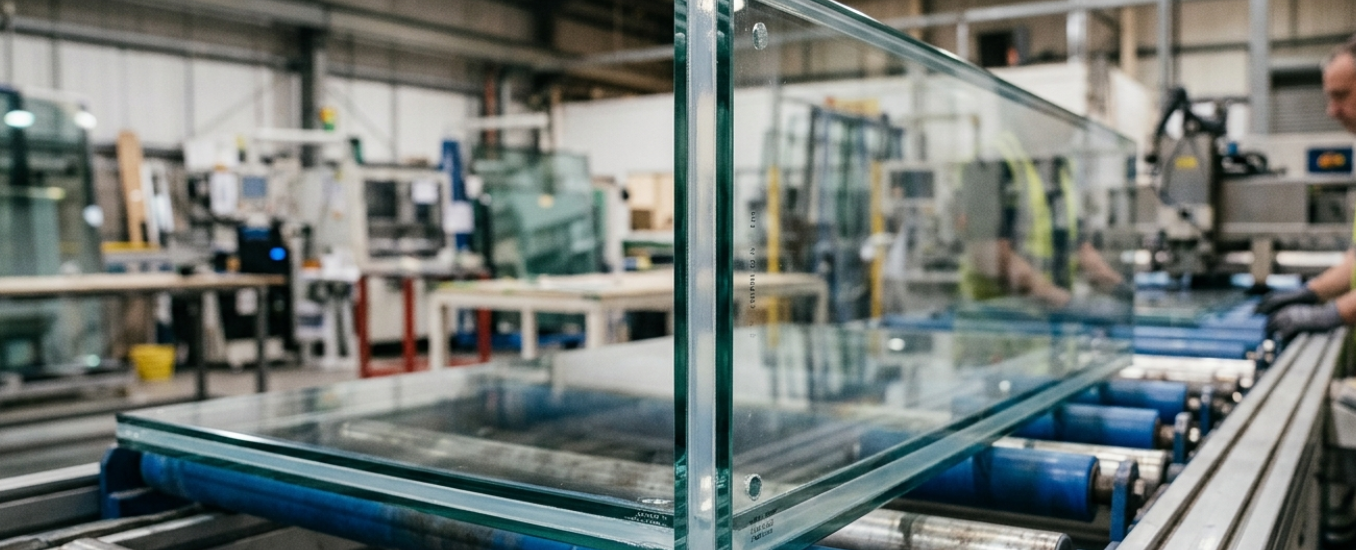
At its core, a standard piece of laminated glass consists of two or more sheets of glass permanently bonded together by an invisible plastic interlayer. This interlayer is typically made of Polyvinyl Butyral (PVB) or SentryGlas Plus (SGP).
The assembly process takes place under intense heat and pressure inside an industrial autoclave. This specialized chamber liquefies the interlayer material just enough to fuse it completely with the glass sheets. Once the process is complete, the plastic interlayer becomes perfectly optically clear, leaving you with a single, highly durable panel that looks exactly like traditional glass but behaves like a transparent shield.
The Safety Engineering Behind Laminated Glass
The primary reason building codes worldwide mandate laminated glass in specific areas comes down to a fundamental safety feature: shatter-proof containment.
When standard glass breaks, it cracks into large, razor-sharp shards that drop instantly due to gravity, posing a severe threat to anyone nearby. When tempered glass breaks, it is engineered to burst into thousands of tiny, relatively harmless blunt pieces; however, the entire pane falls out of its frame immediately, leaving an open structural void.
Laminated glass handles impact in an entirely different way:
Spider-Web Fracture Pattern
When struck by a heavy object whether it is a stray football, an accidental trip, a forced entry attempt, or severe flying debris from a storm the glass layers will crack, but they will not shatter or fall. Instead, they form a highly localized “spider-web” fracture pattern.
Residual Structural Integrity
Because the glass fragments remain firmly adhered to the sticky, flexible PVB or SGP interlayer, the entire pane stays intact within its architectural frame. This prevents falling shards from injuring people below and ensures that the structural barrier remains closed against weather or intruders until a replacement panel can be installed.
Safety Meets Aesthetics: The Core Performance Benefits
Beyond its incredible strength, laminated glass is highly favored in residential and commercial architecture because it solves multiple environmental and design challenges simultaneously.
1. High-Security Protection Against Intruders
Standard windows and glass doors are often the weakest entry points in any building. For homes and offices requiring enhanced security, laminated glass acts as an excellent passive deterrent. Because it does not give way upon a single impact, an intruder attempting to smash a laminated pane with a hammer, brick, or crowbar will be met with a stubborn, rubbery barrier that requires prolonged, noisy effort to penetrate. This delay often gives security systems or law enforcement plenty of time to respond.
2. Exceptional Acoustic Soundproofing
Urban noise pollution from bustling street traffic and sirens to low-frequency construction hums can significantly impact comfort and productivity. Laminated glass is one of the most effective soundproofing materials available for windows and partitions.
The elastic core of the PVB interlayer acts as a highly effective dampening cushion. When sound waves hit the outer layer of glass, their energy is absorbed and disrupted as it travels through the flexible plastic layer, rather than cleanly vibrating through to the interior. This results in a significant reduction in decibel transfer, creating a peaceful indoor environment.
3. Ultimate UV Ray Filtration
Natural daylight is highly desirable, but the ultraviolet (UV) radiation carried by the sun can fade and damage your interior furnishings. Over time, UV exposure bleaches premium hardwood floors, ruins custom carpets, fades expensive artwork, and degrades fine fabrics.
High-quality laminated glass filters out up to 99% of harmful UV rays while letting the beautiful, visible natural light pass through completely unobstructed. This built-in filtration extends the lifespan and brilliance of your interior spaces for years.
Decorative Laminated Glass: The Designer’s Playground
While the safety features are impressive, the real excitement for interior designers lies in the incredible aesthetic flexibility of custom laminated glass. Because the manufacturing process involves sandwiching an interlayer between two panes of glass, it opens up endless opportunities to insert decorative elements directly into the center of the glass panel.
When working with an expert architectural glass firm like Green Glass Designer, you are no longer restricted to plain clear glass. You can customize the interior layer to match any design theme:
Translucent Colored Interlayers
By choosing tinted or vibrant colored PVB interlayers, you can introduce beautiful, glowing washes of color into a room without losing transparency. These panels catch passing light and cast soft, warm, or cool atmospheric tones across floors and walls, creating a stunning visual effect.
Fabric and Textile Inlays
One of the most luxurious trends in modern interior design involves laminating delicate textiles such as pure silk, textured linen, woven metallic meshes, or intricate lace directly between two sheets of clear glass. The glass permanently seals and protects the fabric from dust, moisture, and staining, while the textile adds a soft, organic texture and variable privacy levels to the installation.
High-Definition Digital Prints and Graphics
Custom branding, geometric patterns, abstract artwork, or realistic stone and wood textures can be digitally printed onto the internal film before lamination. This allows corporate offices to feature crisp logos on partition walls and gives homeowners the freedom to create beautiful focal features in living rooms, dining spaces, or bathrooms.
Frosted, Etched, and Textured Combinations
You can easily combine a smooth outer pane of glass with a frosted, sandblasted, or acid-etched inner pane. This approach gives you the gentle, light-diffusing privacy of matte glass on one side while maintaining a perfectly sleek, easy-to-clean glossy surface on the other.
5 Creative Ways to Use Laminated Glass in Your Home or Office
1. Minimalist Glass Staircases and Balustrades
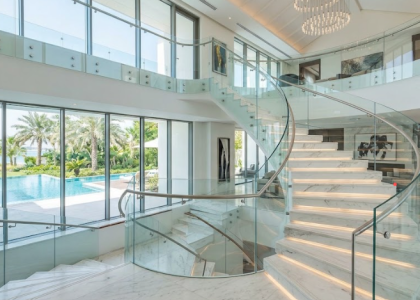
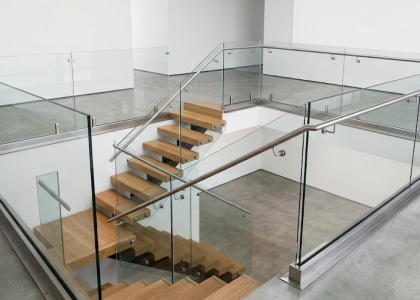
Nothing opens up a multi-story home or a multi-level office lobby quite like a glass staircase or balcony balustrade. However, because these installations are designed to support weight or prevent falls, standard glass cannot be used.
Multi-layered, heavy-duty laminated glass is the perfect material for these high-stress areas. It can support structural weight and handle heavy traffic with ease. By opting for low-iron “Optiwhite” glass layers, you remove the natural greenish tint found in standard glass, leaving you with a crystalline, floating aesthetic that feels effortlessly light and modern.
2. High-Privacy, Light-Filled Office Partitions
Modern offices thrive on an open, collaborative atmosphere, but acoustic privacy remains essential for meeting rooms and executive suites. Double-glazed laminated glass partitions allow natural light to flow deep into the floor plan while keeping private conversations fully contained within the room. Custom frosted bands or printed patterns can be added to the glass to strike the perfect balance between transparency and workspace privacy.
3. Frameless Glass Skylights and Canopies
Bringing daylight in from above via skylights or overhead structural canopies completely transforms dark, narrow spaces. However, overhead glazing requires strict safety compliance: if a piece of glass breaks overhead, it must not fall onto the people below. Laminated safety glass is the premier choice for overhead applications, keeping the barrier securely held together even under heavy wind loads or unexpected impacts.
4. Luxurious Shower Enclosures and Wet Rooms
Standard tempered glass shower doors are common, but for high-end master suites, custom decorative laminated glass offers an exceptional upgrade. By sandwiching a textured fabric, a subtle colored tint, or a frosted gradient interlayer inside the panel, you create an elegant privacy screen. Because the decorative layer is sealed safely inside the glass, it will never peel, stain, or suffer damage from steam and moisture.
5. Striking Entrance Doors and Storefronts
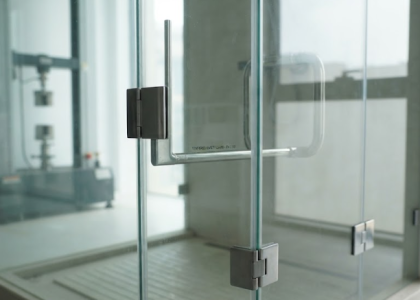
Your front entrance or commercial storefront sets the stage for the entire property. A large, frameless laminated glass door creates an open, welcoming impression while providing robust protection against forced entry and reducing street noise.
Laminated vs. Tempered Glass: Knowing the Difference
It is common to hear laminated glass and tempered glass discussed interchangeably under the broad umbrella of “safety glass,” but they are structurally quite different. Understanding these differences ensures you select the right glass type for your project’s needs:
| Performance Characteristic | Tempered Glass | Laminated Glass |
| Composition | A single sheet of glass that has been heat-treated for enhanced strength. | Two or more sheets of glass permanently bonded with a plastic interlayer. |
| Breakage Behavior | Crumbles into small, blunt, granular pieces that fall away. | Fractures into a spider-web pattern but remains firmly bound in place. |
| Forced Entry Resistance | Low (breaks quickly upon a heavy impact from a sharp tool). | High (the resilient interlayer resists continuous physical attacks). |
| Acoustic Dampening | Standard sound transmission properties. | Excellent soundproofing due to the sound-absorbing interlayer. |
| UV Filtration | Minimal protection against color fading. | Blocks up to 99% of harmful UV rays. |
| Decorative Flexibility | Limited to surface etching, ceramic printing, or tints. | Allows infinite custom inlays like fabrics, meshes, and digital films. |
Professional Specification and Installation: The Key to Perfection
Because laminated glass is a highly engineered product, achieving a flawless, long-lasting finish depends completely on the precision of the fabrication and installation process.
The Critical Role of Cleanroom Assembly
Before the glass enters the heating autoclave, the sheets must be assembled in a strictly controlled, dust-free cleanroom environment. If even a tiny particle of dust, hair, or moisture gets trapped between the glass and the interlayer, it will become permanently sealed inside, creating a visible blemish that ruins the optical clarity of the pane.
Edge Sealing and Moisture Prevention
If laminated glass is installed in an outdoor setting or a high-humidity indoor space (like a bathroom or indoor pool area), the edges of the panel must be finished and sealed with extreme care. Inferior cutting or improper glazing sealants can cause moisture to slowly seep into the edges over time, leading to a cloudy defect known as “delamination.” Working with a certified, premium glazier ensures your glass remains crystal clear for decades.
Long-Term Maintenance: Keeping Laminated Glass Immaculate
Caring for custom laminated glass is simple, but following a few professional care guidelines will keep your installations looking pristine:
-
Use Soft Microfiber Towels: Always clean the glass surfaces using a clean, soft microfiber cloth to avoid catching stray grit that could scratch the outer face.
-
Opt for Non-Ammoniated Cleaners: Choose mild, alcohol-based glass cleaners or a simple mixture of distilled water and a splash of white vinegar. Avoid pouring harsh, ammonia-based chemicals directly over exposed edges, as they can break down the perimeter sealants over time.
-
Wipe Spills Promptly: While the inner layer is completely waterproof, try to avoid letting pools of water sit indefinitely along the bottom exposed channels or tracks of your glass fixtures.
Bring Your Architectural Vision to Life with Pakistan’s Premier Glazing Experts
Laminated glass represents a major leap forward in architectural design. It proves that you never have to sacrifice absolute peace of mind, acoustic comfort, or security to achieve a bright, open, and visually stunning home or workspace. By combining structural strength with endless design options, laminated glass allows you to create features that are as safe as they are beautiful.
When you are ready to introduce premium laminated glass installations into your next residential or commercial project, partner with a fabrication company that values precision, safety, and artful design.
With over 15 years of industry-leading experience, Green Glass Designer is Pakistan’s premier choice for high-end architectural and decorative glass solutions. As a PEC-registered and ISO-certified firm, they operate advanced fabrication facilities specializing in custom cleanroom lamination, high-definition printing, textile inlays, and precision edge-finishing. From sleek, soundproof office partitions in Islamabad to secure, UV-filtering glass storefronts and staircases in Lahore and Karachi, their team of expert engineers handles every step from CAD mock-ups to laser-guided on-site installations.