Table of Contents
If you’ve ever stood near a single-pane window in the middle of a Lahore summer afternoon, or felt a draft creeping through the glass on a foggy Islamabad winter morning, you’ve already experienced the problem double glazing was invented to solve. Ordinary glass is a remarkably poor insulator. It lets heat pour straight through in summer and lets warmth escape just as easily in winter, which means your air conditioner and your heater end up fighting a losing battle against a wall of glass that was never designed to help them.
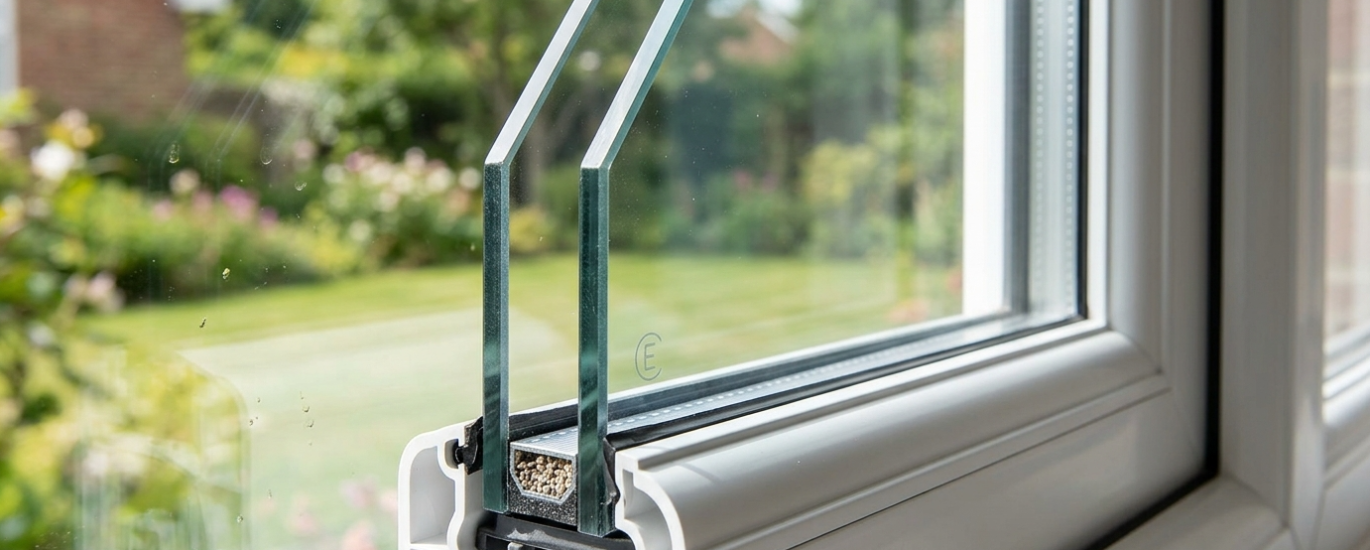
Double glazed glass, sometimes called an insulated glass unit or IGU, takes a completely different approach. Instead of a single pane standing between your room and the outside temperature, it uses two panes with a sealed air or gas-filled gap between them, and that gap is doing far more work than most people realize. This guide walks through what double glazing actually is, how it manages to make such a meaningful difference to comfort and energy bills, where it makes the most sense in a home or building, and what’s worth understanding before you start looking into it for your own space.
Quick Facts Before You Read On:
- Double glazed glass uses two panes of glass separated by a sealed air or inert gas gap, rather than a single pane.
- The insulating gap, not the glass itself, is the main reason double glazing performs so much better than standard single-pane windows.
- Double glazing reduces heat transfer, noise transmission, and condensation compared to single-pane glass.
- It’s increasingly specified in Pakistani homes and commercial buildings in Lahore, Karachi, Islamabad, and Rawalpindi as energy costs and summer temperatures both continue climbing.
- Double glazing pairs well with, but is a genuinely different product from, tinted, laminated, or frosted glass, and understanding the difference matters when you’re planning a project.
What Double Glazed Glass Actually Is
At its simplest, double glazed glass is exactly what the name suggests two panes of glass, rather than one, built into a single window or door unit. But the detail that actually makes it work isn’t the second pane itself, it’s the sealed space between the two panes, filled with either dehydrated air or, in higher-performance units, an inert gas like argon, and sealed at the edges with a spacer bar and sealant to keep that gap airtight and moisture-free over the unit’s lifespan.
This sealed gap is what transforms two ordinary panes of glass into a genuinely effective thermal barrier. Air and gas are both far poorer conductors of heat than glass is, which means the gap between the panes acts as an insulating buffer, slowing down how quickly heat moves from one side of the window to the other. A single pane of glass offers almost no resistance to heat transfer, it’s essentially a thin, continuous conductor connecting your indoor and outdoor environment. Double glazing interrupts that connection with a layer that heat has genuine difficulty crossing.
It’s worth being clear about what double glazing is not. It isn’t the same thing as tinted glass, which reduces glare and some solar heat gain through color and coating rather than an insulating air gap. It isn’t the same as laminated glass, which bonds two panes together with an interlayer primarily for safety and sound dampening rather than thermal insulation. And it isn’t frosted or textured glass, which affects privacy and light diffusion rather than temperature control. Double glazing can actually be combined with several of these other glass treatments, a double glazed unit can also be tinted or use laminated glass on one side, but the insulating gap itself is the specific feature responsible for the energy efficiency benefit this guide is focused on.
How the Insulating Gap Actually Works
Understanding why the air gap matters so much comes down to a basic principle of how heat moves. Heat transfers between two environments through three mechanisms conduction (direct transfer through a solid material), convection (transfer through moving air or fluid), and radiation (transfer through electromagnetic waves, which is how you feel heat radiating off a hot surface even without touching it).
A single pane of glass is an efficient conductor, heat moves through it relatively easily from the warmer side to the cooler side, which is exactly why a single-pane window feels noticeably hot or cold to the touch depending on the weather outside. Double glazing interrupts this direct conductive path. Instead of heat conducting straight through one continuous piece of glass, it has to cross the first pane, then transfer across the insulating gap, where the poorly-conducting air or gas fill significantly slows the process, before finally crossing the second pane. Each of these transitions adds resistance, and the cumulative effect is a meaningfully slower rate of heat transfer compared to a single pane.
The width of the gap and the specific gas used both affect performance. Wider gaps generally improve insulation up to a certain point, beyond which the gap becomes wide enough that convection currents can start forming within it, which actually reduces the benefit. This is why professionally manufactured double glazed units use a carefully calculated gap width rather than simply maximizing the space between panes. Gas fills like argon, which is denser and a poorer heat conductor than ordinary air, further improve performance over a standard air-filled gap, which is why higher-performance double glazed units specifically use gas fills rather than leaving the cavity filled with regular air.
The Practical Benefits Beyond Just “Energy Efficiency”
While energy efficiency is the headline benefit and the reason double glazing shows up so often in conversations about reducing utility bills, the practical, day-to-day benefits are broader than just a lower electricity bill, and understanding the full picture helps explain why this has become such a popular upgrade across both residential and commercial projects.
Meaningfully reduced heating and cooling costs. Since double glazing slows heat transfer in both directions, it reduces how hard your air conditioning system has to work to keep a room cool during Pakistan’s long, intense summer months, and correspondingly reduces heating demand during the cooler winter season, particularly relevant in northern cities like Islamabad and Rawalpindi where winter temperatures drop more noticeably than in Karachi.
Noticeably improved comfort near windows. Anyone who’s sat near a single-pane window on a hot afternoon knows the specific discomfort of radiant heat pouring through the glass, making the area near the window feel significantly warmer than the rest of the room even with air conditioning running elsewhere. Double glazing reduces this effect considerably, making window-adjacent seating, dining areas, and workspaces genuinely more comfortable rather than a spot people instinctively avoid.
Real reduction in outside noise. The same insulating gap that slows heat transfer also interrupts sound transmission, since sound waves, like heat, struggle to pass efficiently through the air gap and multiple glass layers. This is a particularly meaningful benefit for homes and offices along busy roads, near markets, or in dense urban areas across Lahore, Karachi, and Islamabad, where street noise, traffic, and general urban sound can otherwise be a constant, low-level intrusion.
Less condensation on interior glass surfaces. Single-pane windows are prone to condensation forming on the interior surface when warm, humid indoor air meets a cold glass surface, particularly during Pakistan’s humid monsoon season or cooler winter mornings. Because the interior pane of a double glazed unit stays closer to room temperature rather than dropping to match the outdoor temperature, condensation forms far less frequently, which also reduces the risk of associated moisture damage to window frames and nearby surfaces over time.
A meaningful reduction in UV and solar heat gain, particularly when combined with other treatments. While the insulating gap itself is the primary mechanism behind the temperature benefits described above, double glazed units can be manufactured with a low-emissivity (low-E) coating on one of the interior glass surfaces, which further reduces how much solar heat and UV radiation passes through the unit, an increasingly common combination for buildings dealing with intense, prolonged sun exposure.
Where Double Glazing Makes the Biggest Practical Difference
Not every window in every building benefits equally from double glazing, and understanding where it delivers the most noticeable, worthwhile impact helps frame realistic expectations for a project.
West and south-facing windows in hot climates. Windows receiving direct, prolonged afternoon sun exposure see the most dramatic difference from double glazing, since these are exactly the openings letting the most solar heat into a space during the hottest part of the day. For homes and offices across Pakistan’s hot southern and central regions, prioritizing double glazing on these specific exposures first, before less sun-exposed windows, often delivers the best practical return on the investment.
Large glazed areas in commercial and hospitality buildings. Office buildings, restaurants, and retail spaces with substantial glass façades or storefront glazing face a much larger cumulative heat transfer surface than a typical home’s individual windows, which means the energy savings from double glazing scale up meaningfully for these larger commercial applications, often making the investment case even more compelling than for a single residential window replacement.
Rooms with heavy HVAC reliance. Bedrooms, home offices, and any space where air conditioning or heating runs for extended periods daily benefit disproportionately from double glazing, since the ongoing energy savings compound over the many hours the HVAC system would otherwise be working harder to compensate for heat loss or gain through single-pane glass.
Buildings in noisy urban locations. As covered above, the noise reduction benefit is independent of climate and matters just as much for a quiet, cooler city as it does for a hot one, making double glazing worth considering for noise control alone in sufficiently loud urban settings, even in cases where the thermal benefit alone might not have been the primary motivation.
New construction and major renovation projects. Double glazing is most cost-effective and straightforward to incorporate when planned from the start of a new construction project or a significant renovation, since window frame and structural considerations can be designed around the specific double glazed units being used, rather than retrofitting existing single-pane frames after the fact, which is possible but generally involves more complexity and cost.
Double Glazing Versus Other Glass Treatments: Understanding the Difference
Because double glazing is often discussed alongside other glass treatments and features, it’s worth being clear about how it relates to, and differs from, some of the other options homeowners and architects across Pakistan commonly consider.
Double glazing versus tinted glass. Tinted glass reduces glare and some solar heat gain through the glass’s color and composition itself, and it’s a single-pane treatment by default, though it can also be applied to one or both panes of a double glazed unit. Tinting addresses glare and some heat reduction double glazing addresses the broader thermal insulation, noise reduction, and condensation benefits described throughout this guide. The two are complementary rather than substitutes for one another.
Double glazing versus laminated glass. Laminated glass bonds two glass panes together with a plastic interlayer, primarily for impact safety (the interlayer holds broken glass together rather than letting it shatter into dangerous shards) and secondarily for sound dampening. It doesn’t include the air gap that gives double glazing its thermal insulation properties, since the panes are directly bonded rather than separated by a sealed cavity. Laminated glass can be used as one or both panes within a double glazed unit for buildings that want both safety and thermal performance simultaneously.
Double glazing versus low-E coated single glazing. A low-emissivity coating applied to single-pane glass can meaningfully reduce solar heat gain and UV transmission on its own, without the added thickness and cost of a full double glazed unit. This can be a reasonable middle-ground option for budget-conscious projects prioritizing heat reduction specifically, though it won’t deliver the same noise reduction or condensation control benefits that come from double glazing’s insulating air gap.
Double glazing versus frosted or decorative glass. Frosted, etched, and decorative treatments, including the frit glass and stained glass work covered elsewhere on our site, are primarily about privacy, light diffusion, and visual design rather than thermal performance. These treatments can be incorporated into a double glazed unit’s design, but they’re solving a genuinely different problem than energy efficiency, and it’s worth being clear about which specific benefit you’re actually prioritizing when planning a glazing project.
What to Think About Before Starting a Double Glazing Project
If double glazing sounds like the right direction for your home, office, or commercial space, a few practical considerations are worth thinking through before diving into the specifics of a project.
Which windows or areas would benefit most, given your budget. As covered above, not every opening delivers equal value from double glazing, and prioritizing high-sun-exposure windows, large glazed commercial areas, or particularly noisy-facing rooms first is often the most cost-effective way to phase a project if doing everything at once isn’t practical.
Whether you’re working with new construction or a retrofit. New construction and major renovations offer more flexibility in frame design and installation approach, while retrofitting double glazing into existing window openings and frames involves additional considerations around fit, structural support, and sometimes frame replacement alongside the glass itself.
What climate-specific priorities matter most for your location. A home in Karachi’s humid coastal climate, an office in Islamabad’s cooler, more seasonal climate, and a commercial building in Lahore’s hot, dusty summers each have somewhat different priority benefits, cooling load reduction, condensation control, heat gain reduction, worth discussing specifically for your location and building type.
How double glazing fits into a broader design vision for the space, particularly if you’re also considering other glass elements like frit partitions, stained glass features, or decorative glazing elsewhere in the same project. Thinking through the full glazing picture for a space at once, rather than treating each glass decision in isolation, tends to produce a more coherent, well-integrated result.
A Genuinely Practical Upgrade for Pakistan’s Climate
Double glazing isn’t a trend borrowed from cooler climates where it doesn’t quite make sense locally, it’s a genuinely well-suited upgrade for a country dealing with some of the more extreme seasonal temperature swings and increasingly demanding cooling loads found anywhere. Whether the priority is a lower electricity bill, a more comfortable room near a west-facing window, quieter interiors in a busy city, or all three at once, the underlying mechanism, that insulating gap between two panes of glass, is doing genuinely useful, measurable work rather than being a purely cosmetic upgrade.
If you’re exploring double glazing for a home, office, or commercial project anywhere in Pakistan, Green Glass Designer works with double glazed glass alongside our broader range of architectural and decorative glass solutions, and we’re glad to walk through what makes sense for your specific space, climate exposure, and budget. Our double glazed glass supplier page has more detail on what we offer, and if you’re still exploring your options more broadly, our guide on stained glass versus frit glass is a useful next read if decorative or privacy glass is also part of your project.
Get in Touch or message us on WhatsApp if you’d like to talk through whether double glazing makes sense for your space, no pressure, just a straightforward conversation about what would actually help.