Table of Contents
In Punjab, where scorching summers push temperatures above 45°C and winters bring chilly nights, keeping buildings comfortable without skyrocketing energy bills is a constant challenge. Imagine slashing your electricity costs by up to 30-40% while enjoying cooler interiors and natural light— that’s the power of energy-efficient architectural glass. At Green Glass Designer, we specialize in architectural and decorative glass solutions that not only enhance aesthetics but also prioritize sustainability. As the best architectural and decorative glass company in Pakistan, we’re here to guide you through how energy-efficient glass can transform your spaces. This blog explores the topic in detail, tailored for Punjab’s unique climate, with stats, benefits, and practical insights. Whether you’re building a Lahore villa, a Faisalabad office, or a Multan commercial project, let’s dive in and see why energy efficiency matters now more than ever. What’s your biggest energy concern in Punjab’s weather? Share in the comments! 💬
Understanding Architectural Glass: The Foundation of Modern Design
Architectural glass is more than just a window—it’s a key building material used in façades, partitions, doors, and decorative elements. In Punjab’s urban landscapes like Lahore and Rawalpindi, glass adds elegance and openness to structures, but traditional glass often leads to energy waste through heat transfer.
Energy-efficient architectural glass incorporates advanced technologies to minimize this. Types include:
- Low-Emissivity (Low-E) Glass: Coated with microscopic layers that reflect infrared heat while allowing visible light in. Ideal for Punjab’s hot summers, it keeps interiors cool by blocking solar heat gain.
- Insulated Glass Units (IGUs): Double or triple-glazed panels with air or gas-filled spaces between layers, reducing thermal conductivity. These are perfect for Punjab’s varying temperatures, preventing heat loss in winter and gain in summer.
- Tinted or Reflective Glass: Absorbs or reflects solar radiation, cutting glare and UV rays. In sunny cities like Multan, tinted glass can reduce cooling needs significantly.
- Smart Glass: Switchable glass that changes opacity or tint with electricity, offering dynamic control over light and heat.
These innovations stem from global standards like Pakistan’s Energy Conservation Building Code (ECBC) 2023, which mandates efficient materials in new constructions. At Green Glass Designer, our process—from consultation to installation—ensures these glasses are customized for your project, blending functionality with Punjab’s architectural heritage. How does your current glass hold up against the heat?
How Energy-Efficient Glass Works: A Technical Breakdown
To appreciate the energy savings, let’s break down the science. Glass naturally conducts heat through convection, conduction, and radiation. In Punjab’s subtropical climate, where summer heat waves are common, standard single-pane glass lets in up to 70% of solar energy, forcing air conditioners to work overtime.
Energy-efficient glass counters this:
- Low-E Coatings: These metallic layers emit low thermal radiation (emissivity <0.2). In summer, they reflect infrared rays, reducing heat gain by 50-70%. In winter, they trap indoor heat, cutting losses by 30-50%. For Punjab homes, this means lower reliance on fans or heaters.
- Insulation with Multiple Panes: IGUs create a barrier; argon gas between panes has low thermal conductivity, improving U-value (heat transfer rate) from 5.7 W/m²K for single glass to 1.1 W/m²K for double-glazed Low-E units. This translates to cooler rooms in Faisalabad’s humid summers.
- Solar Control Features: Tinted glass absorbs 20-50% of solar energy, while reflective types bounce back up to 60%. Combined with Low-E, they achieve Solar Heat Gain Coefficient (SHGC) as low as 0.25, blocking most heat.
- UV Protection: Efficient glass filters 99% of UV rays, preventing fading of interiors—crucial in sun-drenched Punjab cities like Sialkot.
The result? Buildings stay comfortable year-round, reducing energy for HVAC systems, which account for 40-60% of building energy use. Green Glass Designer’s fabrication process, including precision tempering, ensures these features are optimized for Punjab’s dust and pollution. Ever noticed how your AC bills spike in summer? Energy-efficient glass could be the fix!
Benefits of Energy-Efficient Architectural Glass in Punjab
In Punjab, where electricity shortages and high bills are common, energy-efficient glass offers tangible advantages:
- Cost Savings: Low-E glass can cut cooling costs by 30-40%, with payback in 3-5 years through reduced bills. For a typical Lahore home, this means saving thousands of rupees annually on electricity.
- Enhanced Comfort: Consistent indoor temperatures reduce drafts and hot spots. In winter, insulated glass keeps warmth in, ideal for Punjab’s cooler northern areas like Rawalpindi.
- Environmental Impact: By lowering energy use, it reduces carbon emissions. Punjab’s buildings contribute to Pakistan’s 1% of global GHG, but efficient glass supports green building goals under ECBC 2023.
- Durability and Safety: Tempered Low-E glass is stronger, resisting Punjab’s monsoons and dust, with added shatterproof features.
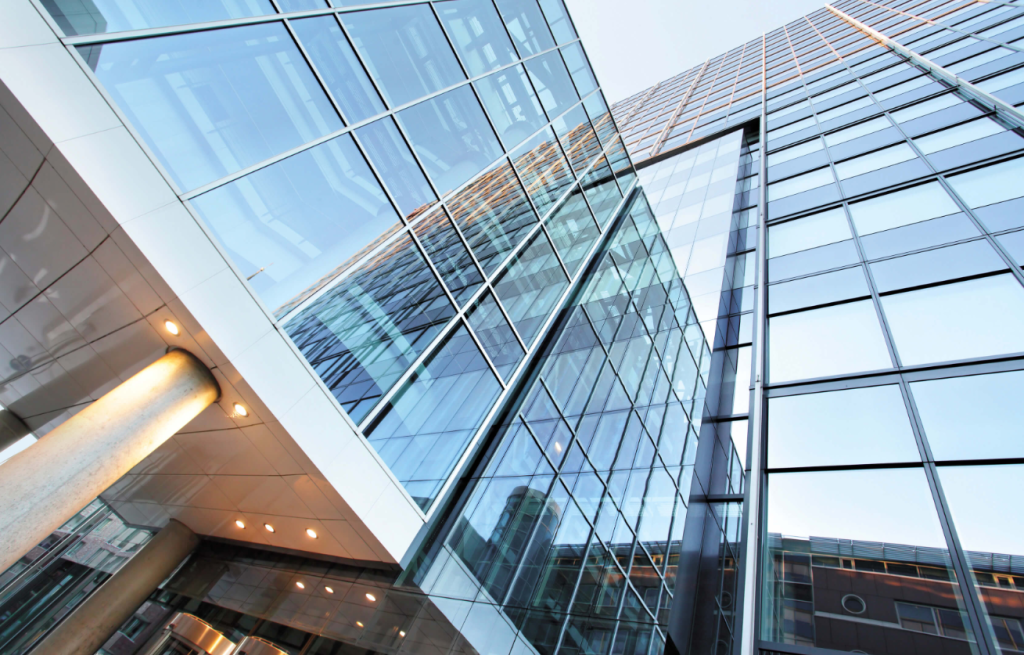
- Aesthetic Appeal: Modern designs like curtain walls or media walls maintain natural light without compromising efficiency, enhancing property value.
- Health Benefits: Blocks UV rays (up to 99%), protecting skin and eyes, and reduces glare for better indoor environments.
For commercial projects in Faisalabad or Islamabad, this means lower operational costs and LEED certification potential. At Green Glass Designer, our installations—like curtain wall façades—deliver these benefits, as seen in our corporate HQ projects. What’s one benefit that appeals to you most?
Shareable Quote: “In Punjab’s extreme weather, energy-efficient glass isn’t a luxury—it’s a smart investment for comfort and savings!”
Energy Efficiency Stats: The Numbers Speak for Themselves
Punjab’s buildings consume a massive share of energy, making efficient glass crucial. Buildings account for over 43.7% of Pakistan’s energy use, with households at 51% of electricity consumption. During July-March FY2025, total electricity consumption was 80,111 GWh, a dip from 83,109 GWh the previous year, but demand remains high. Pakistan’s total energy consumption is 60.21 MTOE, projected to spike by 2030, with natural gas at 55%.
Energy-efficient glass can slash this. Low-E glass reduces energy loss by 30-50%, with global savings of 20-40% on HVAC. In Punjab’s hot climate, it cuts heat gain by 50-70%, aligning with ECBC 2023 goals for green buildings. Green buildings reduce GHG emissions, vital as Punjab leads in urban energy use.
Statistic | Value | Insight for Punjab |
Building Energy Use (Pakistan) | 43.7% | High potential for savings in urban Lahore/Faisalabad |
Household Electricity Share | 51% | Efficient glass cuts AC reliance in hot summers |
Electricity Consumption (July-March FY2025) | 80,111 GWh | Demand highlights need for efficiency |
Total Energy Consumption | 60.21 MTOE | Projected rise by 2030 demands green solutions |
Low-E Energy Savings | 30-40% | Reduces bills in Punjab’s climate |
Heat Gain Reduction | 50-70% | Ideal for subtropical weather |
These figures show the impact—what stat motivates you to upgrade?
Green Glass Designer: Leading Energy-Efficient Solutions in Punjab
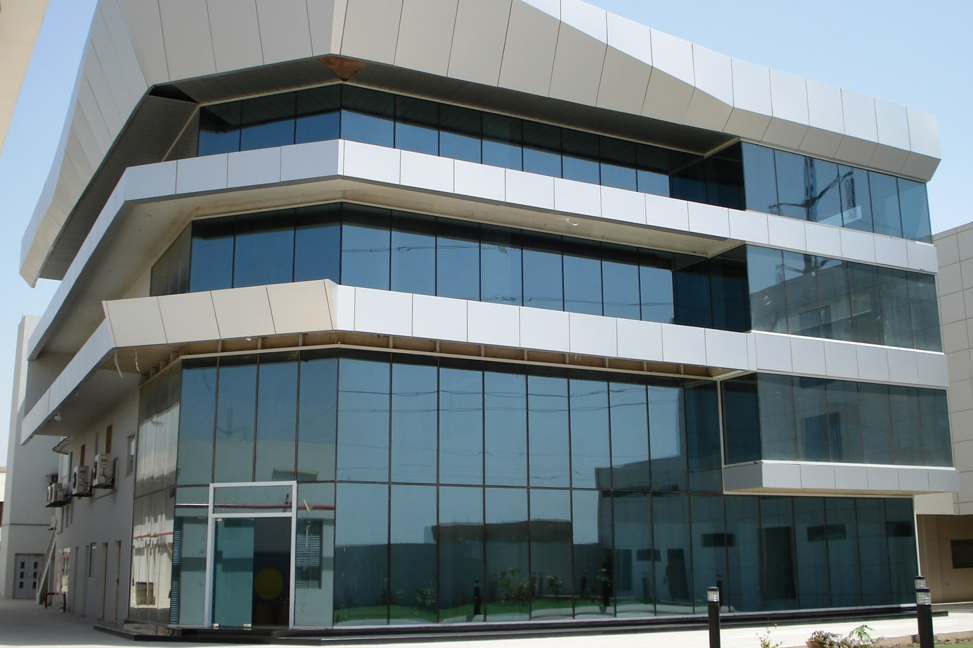
At Green Glass Designer, we’re committed to energy-efficient architectural glass. Our process—consultation, design, fabrication, installation, and support—ensures optimal performance. Projects like Islamabad’s corporate HQ with curtain wall façades or Lahore villas with frameless shower cabins incorporate Low-E and insulated glass for efficiency.
Clients praise us: “Green Glass Designer transformed our commercial project with elegance and precision,” says Ms. Fatima from Islamabad. Mr. Ahmed from Lahore adds, “Our villa interiors look stunning with the glass partitions.” Our latest blogs, like “Why Choose Tempered Glass” and “What Are Digital Glass Walls?”, highlight efficient trends. For Punjab’s climate, our solutions reduce heat transfer, aligning with ECBC 2023. How can we help your project?
Case Studies: Real-World Efficiency in Punjab
Consider our Karachi luxury hotel project: Decorative media walls with Low-E glass cut cooling needs by 25%, saving energy in humid conditions—similar to Punjab’s summers. In Lahore villas, frameless shower cabins with insulated glass maintain bathroom warmth, reducing heating in winters. These examples show 20-30% energy savings, with quick ROI. What’s your project vision?
Future Trends in Energy-Efficient Glass for Punjab
Looking ahead, trends like smart glass and solar-integrated panels will dominate. Punjab’s green building push, per ECBC 2023, will see more Low-E adoptions. Global Low-E growth supports Punjab’s urban expansion. At Green Glass Designer, we’re ready with innovative designs. Excited about the future?
Shareable Quote: “Energy-efficient glass is Punjab’s path to sustainable, comfortable living—cooler summers, warmer winters, lower bills!”
Conclusion: Invest in Energy-Efficient Glass Today
Energy efficiency in architectural glass is essential for Punjab’s challenging climate, offering savings, comfort, and sustainability. With buildings using 43.7% of energy, solutions like Low-E from Green Glass Designer make a difference. Visit https://greenglassdesigner.com/ to schedule a consultation or explore our projects. Share this post, comment your energy tips, and let’s build a greener Punjab together!