By the time a business owner searches for a glass shop front supplier, the big questions are usually settled. You know a glazed front will make the shop feel brighter, bigger and more trustworthy. You may have read about why transparent storefronts attract buyers, or compared glass against solid cladding. What’s left are the questions that decide whether the project goes well who will build it, what exactly will be installed, how long the shop will be disrupted, and what it will cost.
This guide is written for that stage. Instead of persuading you that glass is a good idea, it lays out what a premium shop front from Green Glass Designer actually consists of, how we run the project, what moves the price up or down, and what you should insist on from any contractor before you commit, including us. If you’re ready for numbers, you can skip to the quote section or message us on WhatsApp. If you want to be sure before you commit, keep reading.
We work on retail, corporate and institutional projects across Pakistan, with more than 15 years in architectural glass and aluminium. Our
shopfront glass panels service covers the whole job, from site survey to handover, so you deal with one team rather than coordinating separate glass, frame and fitting vendors.
What “Premium” Actually Means in a Glass Shop Front
“Premium” is one of the most overused words in construction. In a shop front, it should mean something measurable. When we use it, it comes down to five things.
- Correct glass for the exposure. Thickness, treatment and type chosen for the span, the wind load, the street and the security needs, not simply whatever is in stock.
- A frame that matches the glass. Aluminium sections sized for the load, with finishes that stay clean in dust and summer heat.
- Precision fabrication. Cutting, edging and drilling done to tolerance so panels fit the first time, with even joints and clean lines.
- Sound installation. Level frames, properly set glass, correct sealing and weatherproofing, with alignment checked before we leave.
- Accountability afterwards. Someone to call when a door drops, a seal weeps or a panel needs replacing.
Two shop fronts can use the same-looking glass and still differ enormously on those five points. The difference rarely shows on day one. It shows in year two, when one front still operates smoothly and looks sharp, and the other has sticking doors and stained seals.
What We Build: Shop Front Systems
Every premium shop front is built from a handful of system types, often combined on the same project.
Fixed full-height glazing
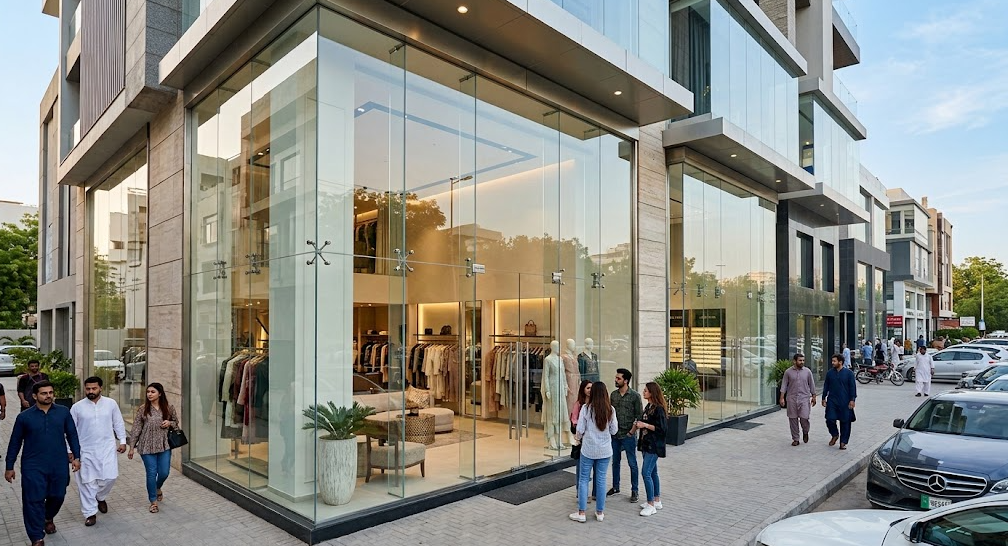
Large floor-to-ceiling panes that maximise visibility and daylight. This is the classic choice for fashion, electronics, jewellery, bakeries and cafés where the window is your main sales tool.
Framed aluminium shop fronts
Glass held in aluminium profiles, offering structural stiffness, flexibility on panel sizes and strong value. This is the workhorse system for most commercial parades, plazas and malls.
Frameless and point-fixed glazing
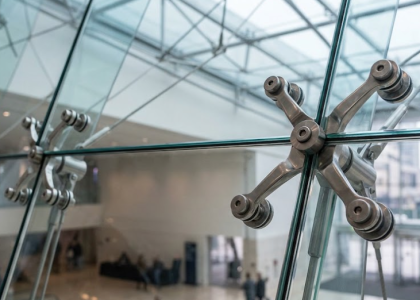
For a minimal, high-end look with few visible fittings. This suits flagship stores and showrooms that want the glass itself to be the statement. Our
point glass façade installation service is the natural route here.
Entrance doors
Swing doors, frameless glass doors and
custom frameless sliding doors, sized and hardware-matched to expected footfall. A busy pharmacy and a boutique with twenty visitors a day need different hardware.
Combination fronts
Glass paired with
ACP wall cladding for signage bands, brand-colour panels or side returns. The glass draws people in while the cladding carries your identity, and it often brings the total cost down compared with glazing every surface.
Glass Types We Specify, and When
Choosing the right glass is the single most important technical decision. Here’s how we approach it.
| Glass type |
Best for |
Key benefit |
Consider |
| Toughened (tempered) glass |
Doors, large panes, general shop fronts |
Several times stronger than ordinary glass breaks into small, blunt pieces |
Cannot be cut or drilled after toughening, so dimensions must be final |
| Laminated glass |
High-value stock, street-facing fronts, break-in concern |
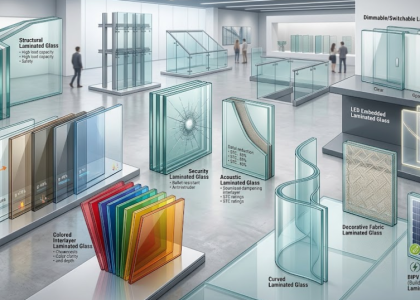
Holds together when broken more resistant to forced entry and adds some sound reduction |
Higher cost than single toughened glass |
| Double-glazed units |
Air-conditioned shops, sunny elevations |
Better thermal comfort and reduced cooling load |
Heavier, needs a stronger frame |
| Tinted or reflective glass |
West-facing or heavily sun-exposed fronts |
Cuts glare and solar heat |
Reduces visibility into the shop, so balance carefully |
| Frosted or frit-patterned glass |
Privacy zones, fitting rooms, branding bands |
Privacy without closing off the front |
Plan where transparency matters most |
For jewellery, electronics, mobile and other high-value retail, we usually recommend laminated glass at the street level. You can see the options in more depth on our
laminated glass installation page and in our
laminated glass product range guide. For customers who want privacy in part of the shop, our
frosted glass and
ceramic frit options sit alongside clear panels without spoiling the openness.
Worth Noting The most expensive glass isn’t automatically the right glass. A shaded, north-facing boutique doesn’t need solar control glazing, and a busy street-level jeweller shouldn’t settle for plain toughened panels. We specify for your situation and explain why, so you never pay for performance you won’t use.
Frames, Hardware and Finishing
Glass gets the attention, but frames and hardware decide how the shop front behaves every single day.
Aluminium profiles
We use aluminium sections matched to the glass weight and span. Heavier double-glazed or laminated panes need deeper, stiffer profiles. Finishes such as powder coating or anodising resist corrosion and are easy to wipe clean. Colours can be matched to your brand palette.
Door hardware
Patch fittings, floor springs, locks, handles and pull bars all take daily abuse. Low-grade hardware is the most common reason a new shop front starts to feel old within a year. We match the hardware class to your traffic level and finish, and we confirm it in the quotation so there are no substitutions on installation day.
Sealants and gaskets
Good sealing keeps out dust, water and noise. Gaskets and silicone are specified for exterior exposure, and joints are detailed so they can be inspected and renewed, rather than hidden where problems go unnoticed.
Lighting integration
A glazed front works twice as hard after dark when the interior is lit properly. We can coordinate with your interior team on spot lighting, display lighting and signage so the front remains an asset at night.
Security, Safety and Durability
Customers often worry that a front made mostly of glass means a front made of weakness. A properly specified one doesn’t.
- Safety glass as standard in risk areas. Toughened or laminated glass is used where people may collide with or lean on the glass, particularly doors and low panels.
- Laminated layers for security. Laminated glass stays in the frame when struck, slowing forced entry and keeping the shop front closed even after impact.
- Frames designed for wind load. Especially important for tall fronts, corner units and exposed plazas.
- Sound locking systems. Door locks and shutters can be integrated with your security plan, including roller shutters or grilles behind the glass where needed.
- Climate-aware choices. Sun, dust and humidity affect finishes and seals, so we choose materials accordingly.
If you’d like the technical background, our guide to
durability and safety features of glass shop fronts goes deeper. For routine upkeep, most fronts need little more than regular cleaning with a soft cloth and non-abrasive glass cleaner, plus an occasional check of hinges, seals and door closers.
Design Options That Protect Your Brand
A shop front isn’t only a wall of glass. It’s the first impression of your brand, and small design decisions add up to a distinctive look.
- Focal display zones. A deliberately framed window display or feature wall that anchors the eye, avoiding the “endless glass” effect that leaves passers-by nowhere to look.
- Branding bands. Frosted, frit or printed bands at eye level for logos or pattern, combined with clear glass above and below.
- Mixed materials. Glass with ACP, stone-look panels, wood finishes or metal accents to suit your identity.
- Entrance emphasis. Wider doors, canopies or frame colours to make the entrance obvious and welcoming.
- Privacy on demand. Frosted sections, film or fitted blinds where part of the store needs discretion.
- Interior integration. Glass partitions, mirrors or decorative glass features that continue the theme inside, including options from our decorative glass range.
We usually prepare CAD drawings and 3D visuals before fabrication, so you see the colour, proportions and finish before anything is cut. Approving a drawing costs nothing. Changing installed glass costs a lot.
Our Process from Survey to Handover
A predictable process is what protects your opening date. This is how we run a shop front project.
1. Site survey and consultation
We visit your shop, measure openings, check the structure, note sun exposure, traffic patterns and security needs, and discuss design preferences, budget and timeline. Site surveys are free in Lahore and offered across Pakistan.
2. Specification and design
We propose the glass type, thickness, frame system, door hardware and finishes, with drawings and visuals for your approval. Anything unusual is raised now, not during installation.
3. Detailed quotation
You receive a written quote covering materials, fabrication, installation and any aftercare, listed clearly so you can compare it line by line with other offers.
4. Fabrication
Glass is cut, processed and finished to the approved dimensions, and aluminium is fabricated to match. Precision here is what makes installation clean.
5. Installation
Our team removes the old front if required, prepares the opening, fixes the frames, sets the glass, installs doors and hardware, and completes sealing and finishing. Alignment and operation are checked as we go.
6. Inspection and handover
We walk the finished front with you, test the doors and locks, confirm the finish and clean the glass. You sign off only when it meets what was agreed.
7. Aftercare
If something needs adjusting, resealing or replacing later, you know who to call. Service and maintenance are part of how we work, not an afterthought.
How Long It Takes
Timelines depend on size, glass type and whether the old front needs demolition, but as a guide:
| Project type |
Typical on-site work |
Notes |
| Single small shop front |
A few days once glass is fabricated |
Standard toughened glass and framed system |
| Medium retail unit or café |
About 1 week |
May include door hardware and partial cladding |
| Large showroom or corner unit |
1–3 weeks |
Depends on height, structure and custom glazing |
| Multi-shop or mall frontage |
Phased, agreed in advance |
Work scheduled to limit trading disruption |
Lead time before installation is separate. Custom glass, toughening, lamination and imported hardware take time, so the earlier you approve the design, the earlier your opening. We’ll give you a realistic schedule in writing, including fabrication time, so you can plan your fit-out, stock and launch around it.
Where possible we plan installation to minimise closed days. Many businesses choose to work in stages or after hours so sales continue during the changeover.
What Drives Your Price
We don’t publish a one-size-fits-all rate for shop fronts, because two fronts of the same width can differ widely in cost. That’s not evasion. It’s how glazing works. Here’s what moves the number.
- Glass type and thickness. Toughened, laminated, double-glazed and tinted glass are priced differently, and thicker glass costs more.
- Size and height. Larger panes need heavier glass, stronger frames and more careful handling and access.
- Frame system. Framed aluminium, frameless and point-fixed systems vary in materials and labour.
- Doors and hardware. Swing, sliding and automatic doors, and the class of fittings, affect both cost and lifespan.
- Finishes. Anodising, powder coating colours and special effects such as frit or printed bands.
- Demolition and preparation. Removing an old front, repairing the opening or strengthening the structure.
- Access and logistics. Upper-floor sites, tight lanes and night work change installation effort.
- Location. Transport and crew mobilisation for projects outside our main service areas.
- Add-ons. ACP accents, decorative glass, lighting coordination and security features.
The most reliable way to get a real figure is a site survey, followed by a detailed written quote. If you’re comparing suppliers, ask each one to quote the same glass thickness, frame system and hardware class. Otherwise a lower price may simply reflect a lower specification.
Worth Noting The cheapest quote often leaves things out hardware upgrades, sealing, removal of the old front or aftercare. Always compare what’s included, not only the total. A shop front that fails in year two costs more than one specified properly in year zero.
Why Businesses Choose Green Glass Designer
We’re confident in our work, but the decision is yours. Here’s what we believe sets us apart, and what you can verify.
- Over 15 years of experience in architectural glass, aluminium and cladding, across commercial, residential and institutional work.
- Nationwide presence serving Lahore, Karachi, Islamabad, Multan, Faisalabad and other cities.
- Registered with the Pakistan Engineering Council (PEC) with multiple corporate partnerships.
- Precision fabrication with controlled cutting, finishing and quality checks before anything reaches your site.
- End-to-end service covering consultation, design, fabrication, installation and maintenance, so accountability sits in one place.
- Wide product range spanning glass shop fronts, office glass partitions, curtain walls, railings, ACP cladding and decorative glass, which means your entire fit-out can be coordinated.
- Proof you can see. Our project references show completed work, and we’re happy to discuss relevant examples for your type of business.
- Transparent communication. Written specifications, drawings and quotations, so there are no surprises.
We also encourage you to visit completed projects and speak to previous clients. A contractor confident in their work will welcome that.
Who We Build For
Retail and fashion. Maximum transparency, strong displays, and branding bands that make the shop recognisable from down the street.
Cafés and restaurants. Open fronts, folding or sliding doors, and glazing that shows the activity inside. Our
folding glass doors can open a café directly to the street.
Jewellery, mobile and electronics. Laminated glass, discreet security integration and controlled display lighting for high-value stock.
Banks, clinics and corporate branches. Clean, professional fronts with privacy treatments where needed and durable hardware for high footfall.
Showrooms and malls. Larger spans, structural glazing and coordinated branding for multi-unit frontages.
Salons and service businesses. Balanced transparency, using frosted sections to protect privacy without closing the shop off.
Before You Sign: A Final Checklist
Whether you choose us or someone else, run every proposal through these questions.
- Does the quote state glass type and thickness for each panel, including doors?
- Are frame material, finish and colour specified?
- Is door hardware named by class or brand, and does it suit your footfall?
- Does the price include removal of the old front, sealing, finishing and cleaning?
- Are drawings or visuals provided for approval before fabrication?
- Is there a written timeline that separates fabrication from installation?
- Are warranty and aftercare terms written into the quotation?
- Can the contractor show comparable, completed projects?
- Is the contractor properly registered and insured for site work?
- Who do you call when something needs fixing, and how quickly do they respond?
A quote that answers all ten clearly is one you can trust. Any vagueness should be resolved before you pay a deposit, not after glass has been cut.
Frequently Asked Questions
1. How do I get a quote for a glass shop front?
Book a free consultation through our contact page or message us on WhatsApp. We’ll arrange a site survey, confirm your requirements and send a detailed written quotation.
2. Do you offer free site surveys?
Yes. We provide free site surveys in Lahore and across Pakistan, so you get accurate measurements and a specification based on your actual premises.
3. What glass is best for a shop front?
It depends on your location and stock. Toughened glass suits most shops, laminated glass is recommended for high-value or security-sensitive stores, and double-glazed units help in sun-exposed, air-conditioned spaces.
4. Is a glass shop front safe against break-ins?
Laminated glass holds together when struck and resists forced entry far better than plain glass. Combined with good locks and optional shutters, it can be a secure solution.
5. Can you work around my business hours?
In many cases yes. We can stage the work, install in phases or schedule sections outside trading hours to limit lost sales.
6. Can you combine glass with ACP cladding?
Yes. Many of our shop fronts mix glass with ACP signage bands or side panels, which gives strong branding and can balance cost.
7. How do I maintain a glass shop front?
Clean with a soft cloth and non-abrasive glass cleaner, avoid harsh chemicals on frames and seals, and have hinges, closers and sealant checked periodically.
8. Can you replace or upgrade an existing shop front?
Yes. We handle removal of the old front, preparation of the opening and installation of the new one, including upgrades to laminated or double-glazed glass.
9. Do you serve cities outside Lahore?
We work across Pakistan, including Karachi, Islamabad, Multan and Faisalabad.
10. What warranty do I get?
Warranty and aftercare terms depend on the system and materials selected, and they’re stated clearly in your written quotation so you know exactly what’s covered.
Start Your Shop Front
A shop front is one of the few investments that works for your business every hour of every day, including hours when you’re closed. Done well, it draws people in, protects your stock and reflects the quality of what you sell. Done badly, it costs you in repairs, lost sales and embarrassment.
The fastest route to a confident decision is to let us see your space. Book a free consultation, or send us your shop’s photos and approximate dimensions on WhatsApp, and we’ll come back with a clear specification, drawings and a detailed quote you can compare with any other. No pressure, no vague numbers, just the information you need to choose.